Stainless steel grade 304 shows up on building facades, kitchen equipment, and fabrication lines because it balances four things at once: corrosion resistance, appearance, formability, and strength. Few materials hold all four without a trade-off somewhere. Stainless Steel 304 coils for architectural applications solve a practical problem too: when a project needs continuous length or a custom width, a coil gives fabricators material they can slit, cut, and shape to exact specifications rather than working around fixed sheet sizes. That flexibility, paired with the metal’s working properties, explains why architects and industrial buyers keep specifying it.
What Makes SS 304 Coils Different?
Grade 304 belongs to the austenitic family of stainless steels, built around 18% chromium and 8% nickel. That chromium content forms a passive oxide layer on the surface, and the layer self-repairs when scratched or abraded. Nickel adds ductility to the mix, which is why 304 forms into curves and folds without cracking. A few points explain the rest.
- The chromium oxide layer resists staining and pitting in normal atmospheric conditions without extra coating.
- The austenitic structure keeps the metal non-magnetic and stable across a wide temperature range.
- Moderately corrosive environments, including coastal air and typical urban pollution, rarely affect 304 within its intended service life.
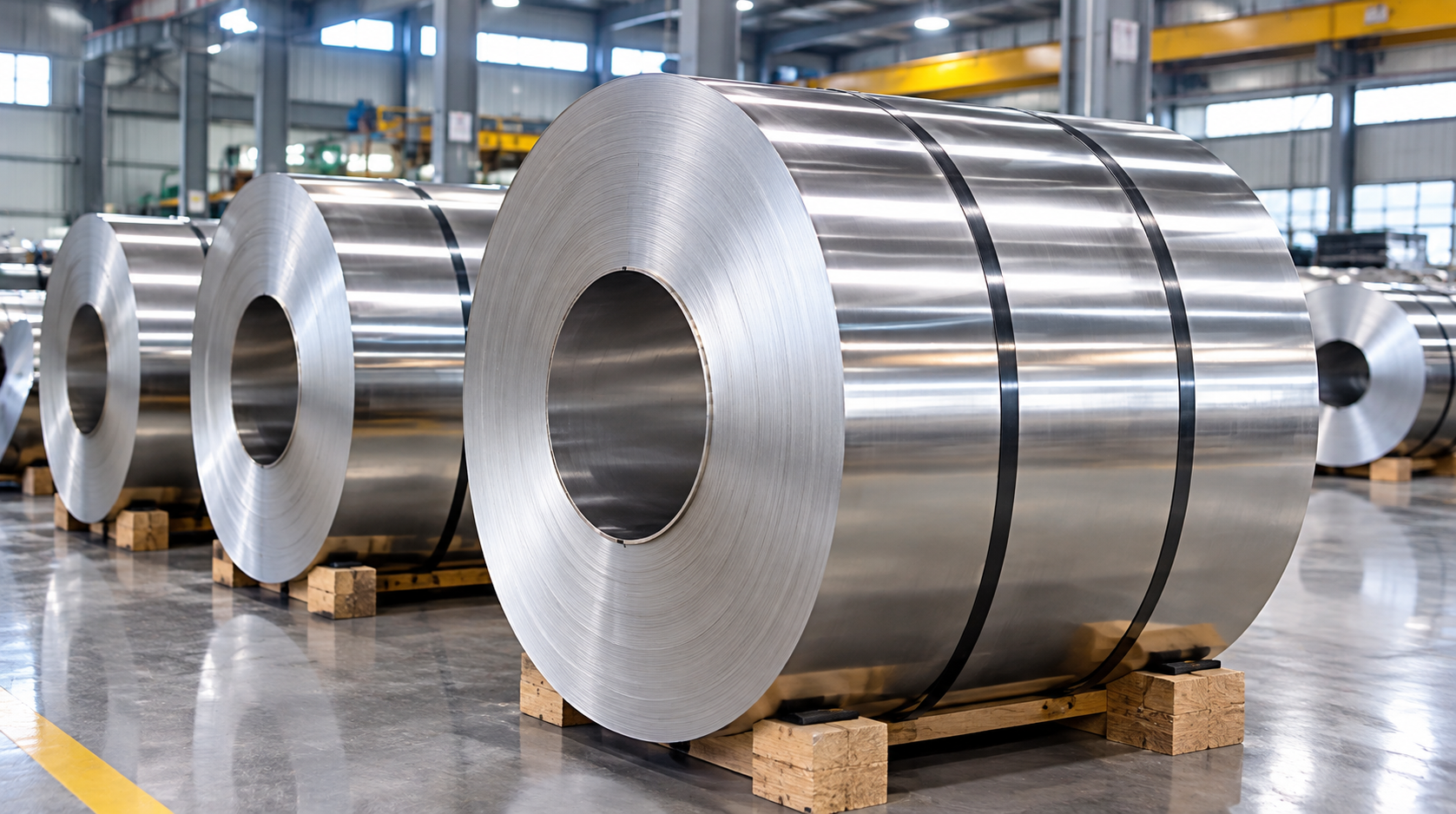
- Coil form lets fabricators slit, cut, roll, and press the material into custom sheets on demand.
Why SS 304 Coils Are Suitable for Architectural Projects
Architects work with a narrow set of materials that hold their finish for decades without heavy upkeep. SS 304 fits that requirement in several distinct ways.
- Clean, uniform surfaces suit modern facades, cladding panels, and interior feature walls without visible seams.
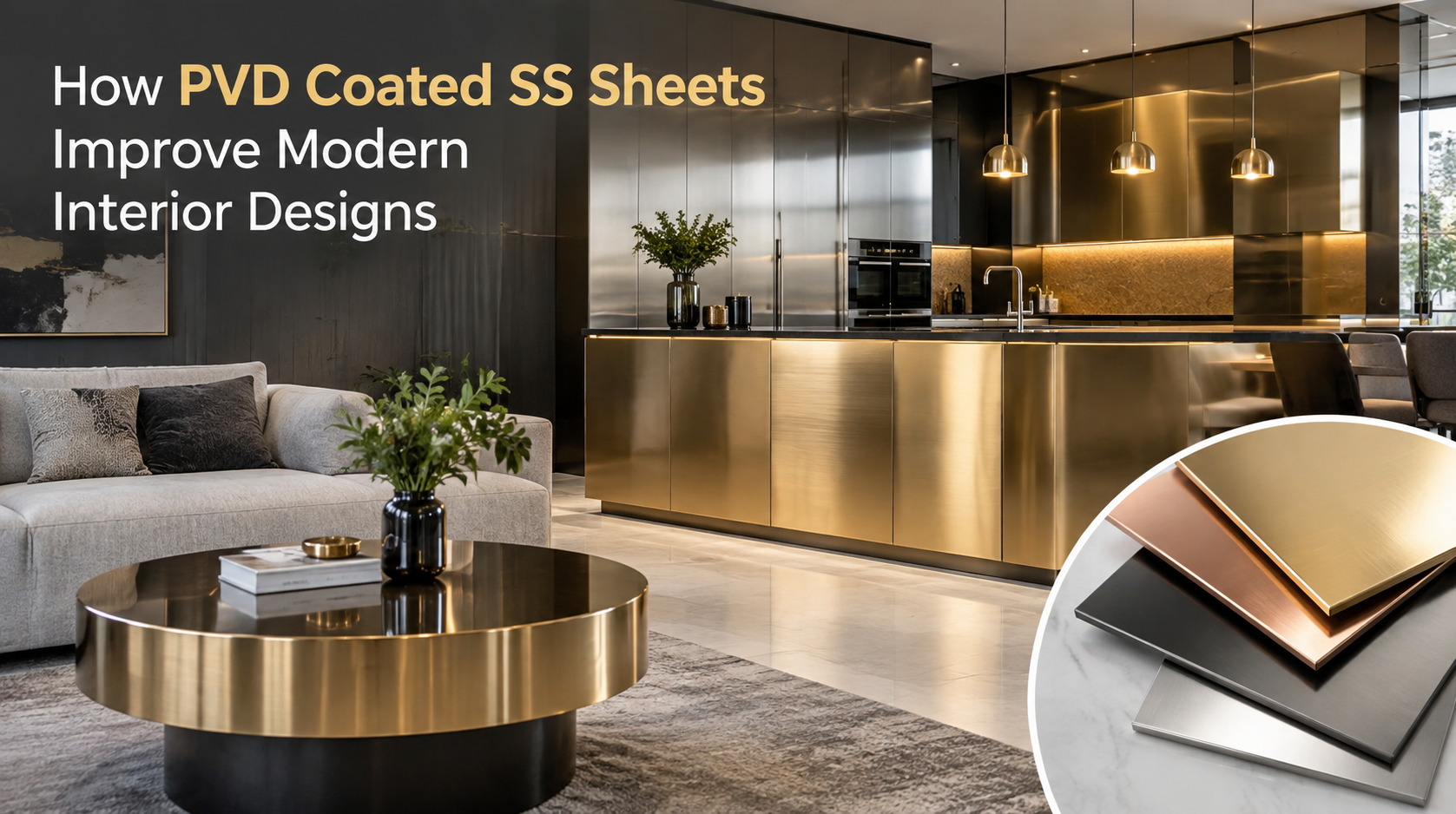
- Brushed, mirror, and other finishes let designers move between matte industrial looks and reflective decorative panels on the same grade.
- Standard atmospheric exposure, indoors or outdoors, rarely produces staining or corrosion when the finish and thickness match the environment.
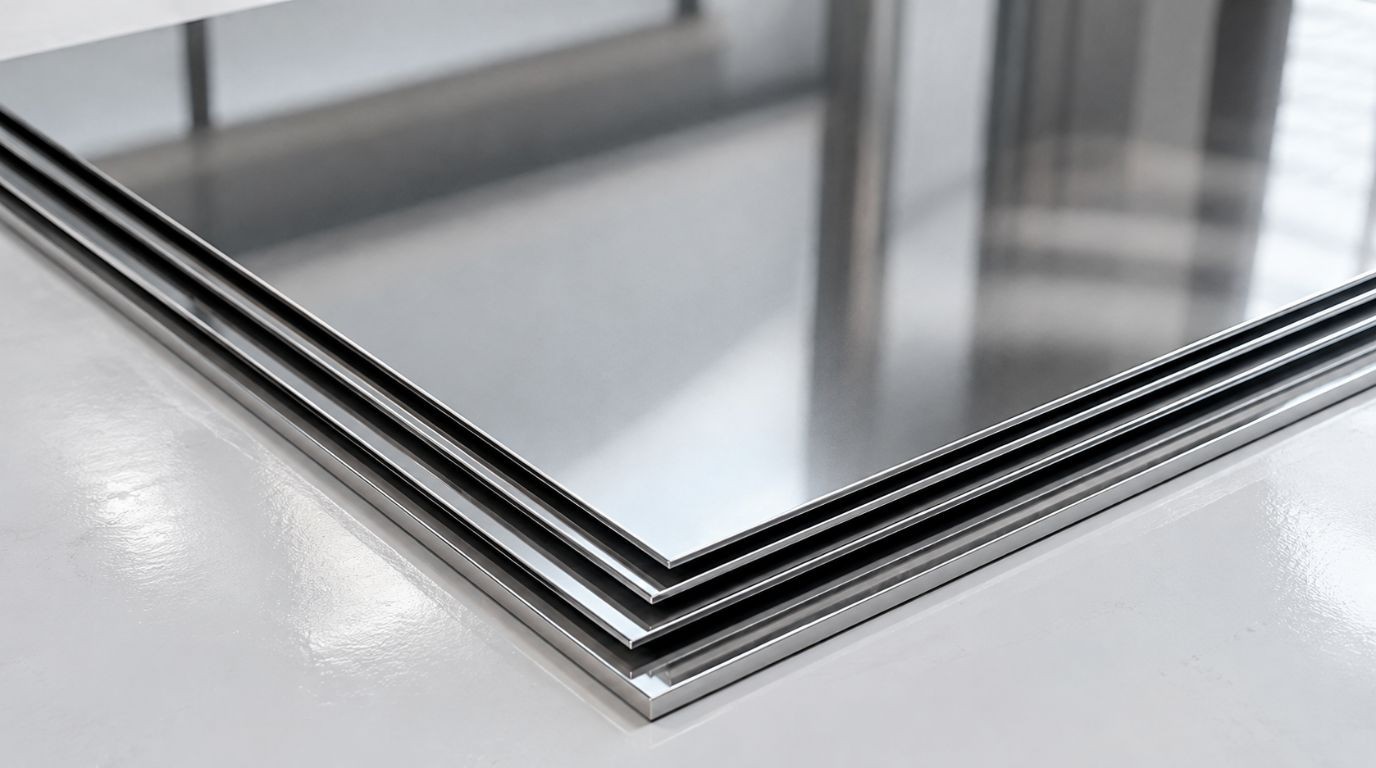
- Sheets and coils form curves, folds, and complex profiles that flat, rigid materials cannot replicate.
- Routine cleaning maintains the surface, unlike painted or coated finishes that need periodic recoating.
- The material pairs visually with glass, timber, natural stone, and concrete without clashing tones or textures.
- Coils get slit to width and cut to length so fabricators avoid offcut waste on large facade runs.
Stainless steel works where the design needs a durable, finishable metal surface, and 304 coils give architects that surface in a form they can customize before it reaches the site.
Industrial Applications of SS 304 Coils
Industrial buyers choose 304 for different reasons than architects do, but the same base properties apply. Corrosion resistance keeps equipment functional in washdown and humid environments. Formability lets fabricators press, roll, and weld the coil into finished parts without cracking the material. Ease of fabrication cuts processing time on shop floors handling repeat runs.
- Fabricated equipment such as tanks, hoppers, and enclosures relies on 304’s weldability and corrosion resistance.
- Food processing equipment uses 304 because its smooth surface resists bacterial buildup and cleans without pitting.
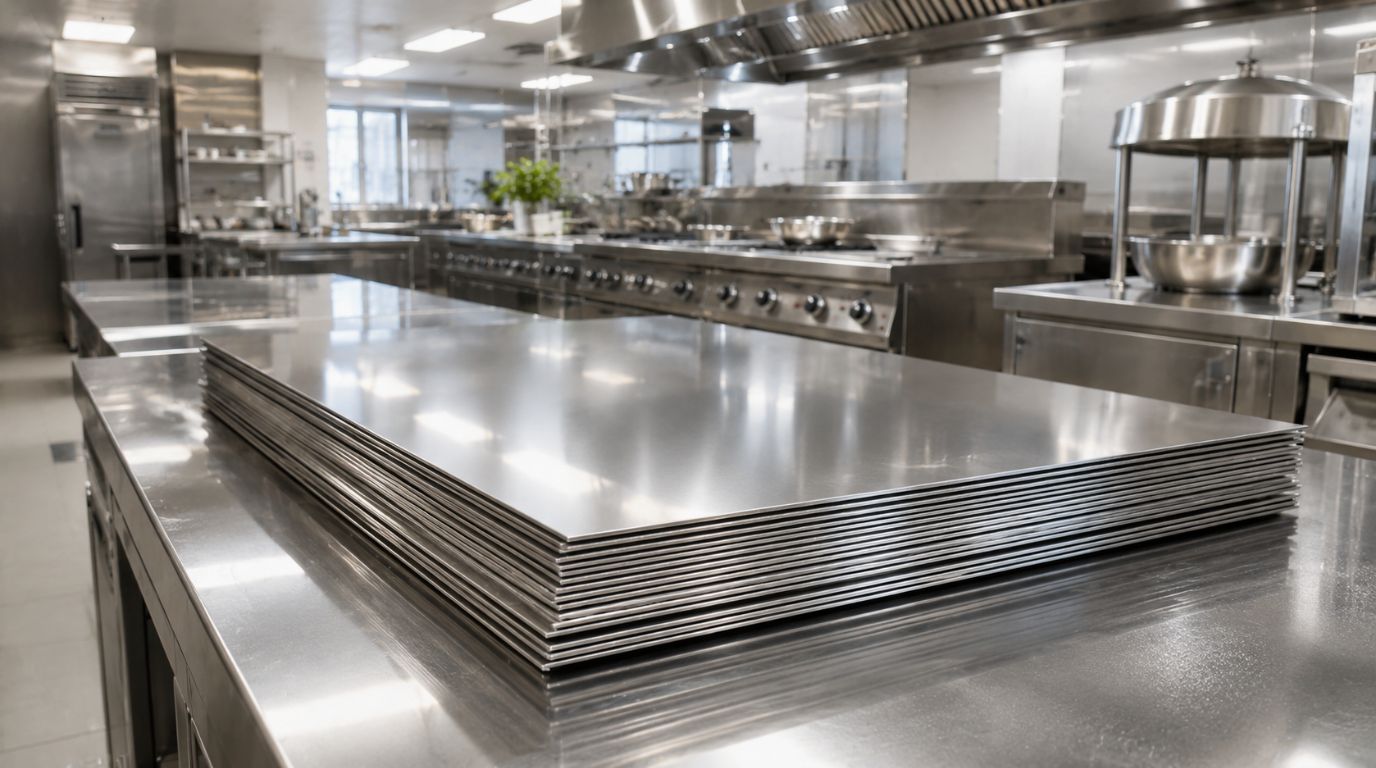
- Commercial kitchen counters, sinks, and hoods hold up under daily washdown and heat exposure.
- Storage and processing systems in dairy, beverage, and pharmaceutical plants depend on non-reactive surfaces.
- 304 is used in automotive components, especially exhaust and trim parts, because of its formability and heat tolerance.
- Industrial enclosures and control panels protect internal electronics from moisture and airborne contaminants.
- General fabrication shops will stock 304 coil for custom brackets, panels and structural components.
- 304 is used for piping and fittings in moderately corrosive process lines, where the chemical exposure is within its resistance range.
Key Properties That Support Both Applications
- Resistance to corrosion protects the surface in atmospheric and mildly corrosive environments, but a higher grade may be required for more aggressive chemical exposure.
- Good formability lets fabricators bend, roll, and draw the coil without frequent cracking or tool wear.
- Weldability allows conventional welding processes (TIG, MIG) without elaborate pre-treatment.
- Structural shapes are supported by strength and durability for extended periods of service under normal mechanical loads.
- The surface finish can be anything from brushed to mirror to patterned for functional and decorative purposes.
- Ease of fabrication reduces processing time on cutting, slitting, and forming lines.
- A hygienic, easy-to-clean surface suits food-contact and medical-adjacent environments where cleanliness matters.
Chloride exposure, extreme temperatures, and aggressive chemicals can push a project toward a different grade, so the specification should match the actual operating conditions rather than assumptions about stainless steel in general.
Factors to Consider When Selecting SS 304 Coils
Getting the right coil starts with matching the material to the project brief.
- Coil thickness and width need to match the fabrication process and the final component dimensions.
- Surface finish should align with the visual or functional requirement, whether decorative or purely protective.
- ASTM or ASME specification confirms the coil meets the chemical and mechanical tolerances the project demands.
- Mechanical and chemical requirements, including tensile strength and corrosion exposure, determine whether 304 is the right grade at all.
- The fabrication method, from laser cutting to press forming, affects how the coil should be slit and supplied.
- Operating environment, indoor or outdoor, coastal or inland, shapes both the grade choice and finish selection.
- Required quantity and processing needs determine whether standard coil widths work or custom slitting is necessary.
Conclusion
SS 304 coils are used in architectural facades and industrial production lines through the same combination: workable appearance, dependable corrosion resistance in normal conditions, and a form factor that fabricators can cut and shape to project specifications. Before ordering, confirm the coil thickness, finish, applicable specification, and the actual environment the material will face. Getting those details right up front determines whether the finished component performs as expected for years.