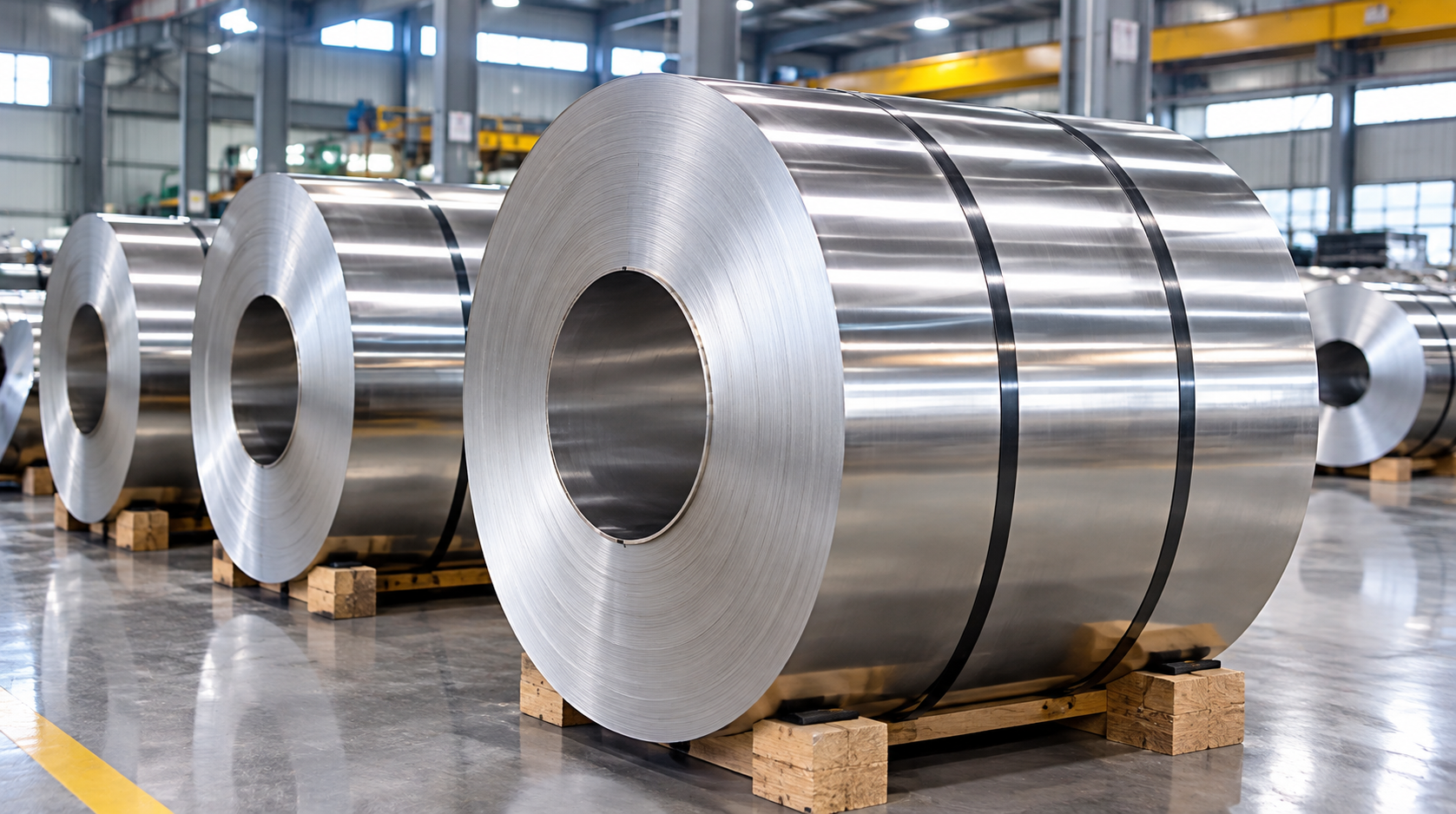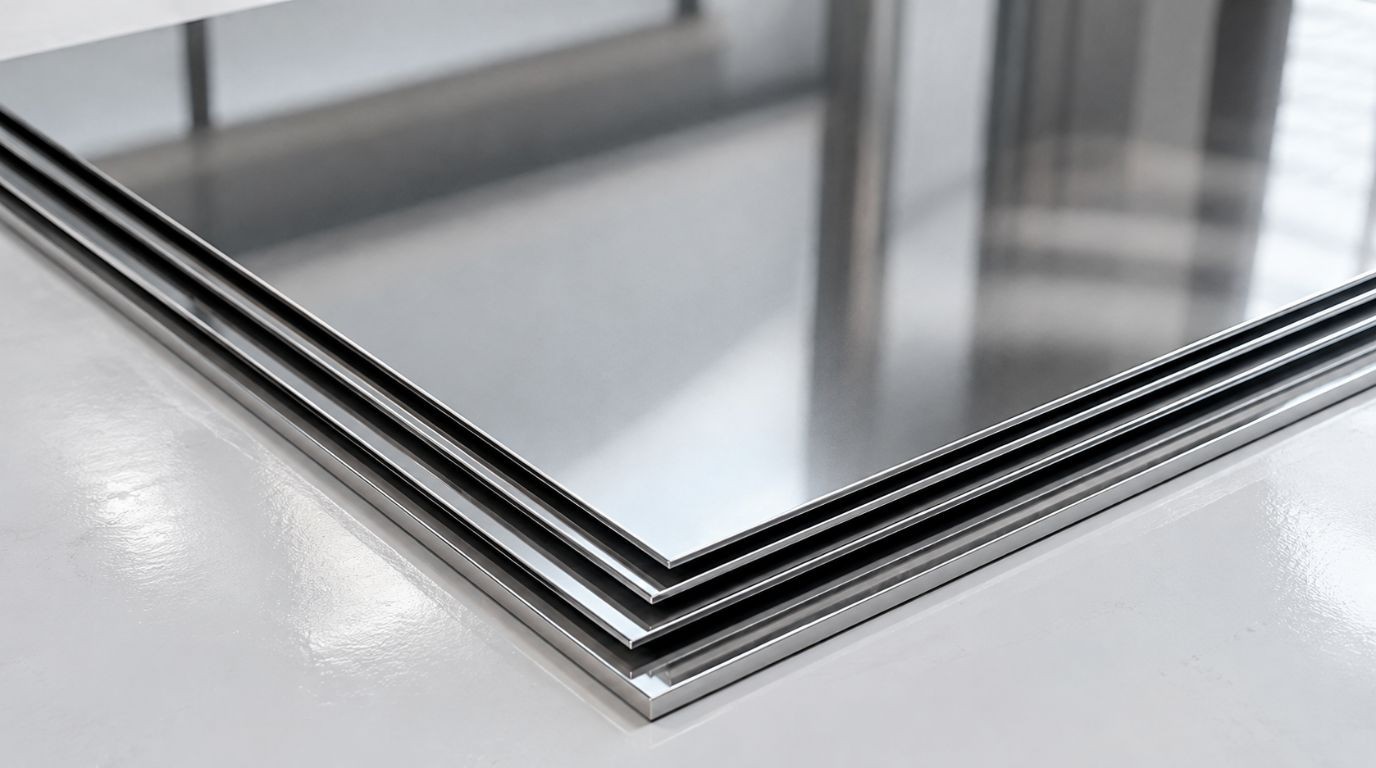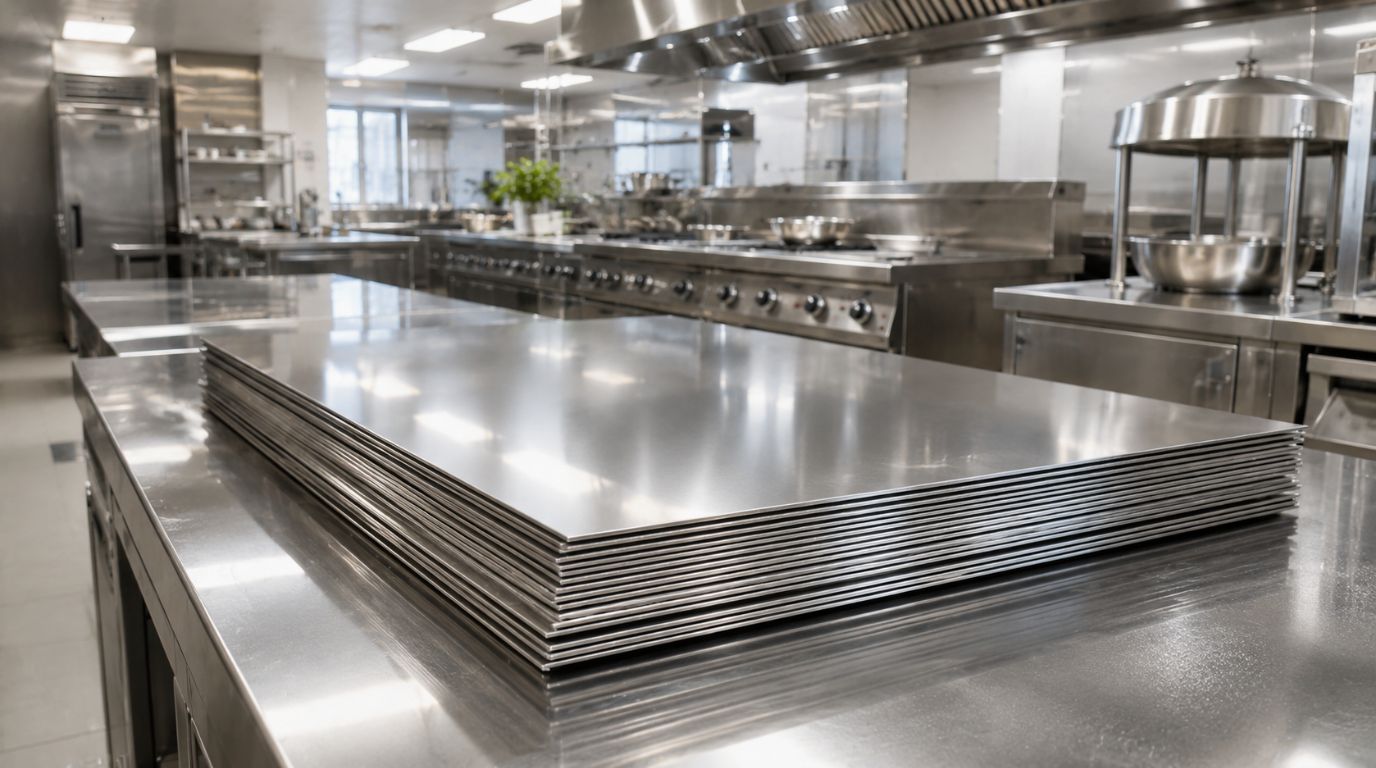
Kitchen, food-processing, and commercial equipment is used in wet, high-traffic environments and is washed down daily, with constant food contact. Materials here need to resist moisture, survive constant cleaning, and stay hygienic for years. 304 stainless steel plates are picked for this work more than most metals, mainly for corrosion resistance, a hygienic surface, decent strength, and easy cutting, bending and welding.
Why Is 304 SS a Popular Choice for Equipment?
304 SS plates resist rust in damp areas, the main reason fabricators reach for this grade first. Surfaces are clean without pitting or harbouring bacteria. The tensile strength of SS 304 plates is good for the thickness, so panels and tanks will not dent when handled. Welding and forming go smoothly, allowing shops to bend the plate into counters, hoods, or tank walls without cracking. These 304 SS plate properties suit indoor prep areas and busier commercial floors alike.
Where Are 304 SS Plates Used in Commercial Kitchens?
Commercial kitchens put 304 stainless steel plates for kitchen equipment through daily washdowns and constant food contact.
Food Preparation Tables
Prep tables get cut on constantly, so the surface needs to shrug off knife marks daily.
Commercial Kitchen Counters
Counters take hot pans and spills, so a smooth surface resists staining and buildup.
Sinks and Wash Stations
Wash stations stay wet most of the shift, and the plate resists rust at seams.
Storage Cabinets
Cabinet panels hold shape under load while resisting moisture buildup.
Shelving Systems
Shelving carries repeated loads, and plate strength keeps shelves from sagging.
Kitchen Hoods and Panels
Hoods sit above heat and grease, so the plate resists warping near burners.
Food Storage Equipment
Bins and containers built from this grade stay free of pitting.
Catering Equipment
Mobile catering units get loaded and washed daily, so panels resist dents and water.
Applications of 304 SS Plates in Food Processing
Food-processing lines fabricate 304 stainless steel plates for food processing equipment for raw products and repeated cleaning.
Processing Tanks
Tanks holding liquid products need welded seams that hold under pressure and cleaning.
Hoppers
Hoppers feeding raw material are formed from a flat plate without splitting at the corners.
Conveyors
Conveyor frames and guide plates take steady vibration and abrasion.
Mixing Equipment
Mixer bowls and paddles contact the product directly, limiting residue buildup.
Food Preparation Machinery
Cutting and portioning machines use plate parts needing tight tolerances.
Equipment Panels
Control panels on processing lines get shielded from splash and steam.
Storage and Handling Systems
Bins and chutes built from stainless steel 304 plates keep bulk product away from contamination.
Material choice depends on the food product, cleaning chemicals used, and operating conditions, not thickness.
Benefits of Using 304 Stainless Steel Plates
304 stainless steel plates bring practical advantages across kitchen and processing environments.
Corrosion Resistance
The plate resists rust and staining in most kitchen settings, even under regular cleaning.
Easy Maintenance
A properly finished surface wipes down fast; no special coatings are needed.
Fabrication Flexibility
Shops can cut, form, bend and weld it into custom shapes with standard tooling.
Long Service Life
Equipment built from this grade holds up over the years, cutting replacement costs.
Professional Appearance
The clean metallic finish suits kitchens where visual hygiene matters to inspectors.
Versatile Application
One grade covers counters, tanks, hoods and storage systems, easing procurement.
How to Select the Right 304 Stainless Steel Plate?
Selecting the right stainless steel 304 plates takes more than checking surface finish or thickness. Plate thickness has to match the load the component carries each day, and the dimensions should fit the cutting layout to keep offcuts to a minimum. Surface finish is important for hygiene and appearance, so kitchens usually require a smoother grade. Equipment design determines how much forming is done before installation, which affects fabrication needs such as bending radius and weld access and can sometimes rule out thicker gauges. Operating temperatures near ovens affect shape retention, while exposure to moisture or cleaning chemicals should guide the finish choice. Standards vary by application, and buyers should confirm stock with a stainless steel 304 plate supplier early.
Final Thoughts on 304 SS Plates for Equipment
304 stainless steel plates hold up in kitchens, food processing, and commercial equipment because they resist corrosion, clean easily and weld without much trouble. Whether the application is a prep table, a tank or a storage panel, the right thickness and finish should match the actual operating conditions. Food-grade stainless steel plates come in standard sheet sizes and finishes from most stainless steel stockists. Contact a supplier to confirm specifications for your equipment design.