Water ripple stainless steel sheets are used a lot in architectural and interior work where a flat panel wouldn’t look right. The wave-like texture isn’t painted or printed on, it’s pressed into the metal through embossing. How that embossing and finishing is done affects the final look, how the panel holds up, and how consistent the surface is from sheet to sheet. This blog covers how these sheets are made, the finishing steps, the checks done before dispatch, and where they’re typically used.
What Are Water Ripple Stainless Steel Sheets & Why the Manufacturing Process Matters?
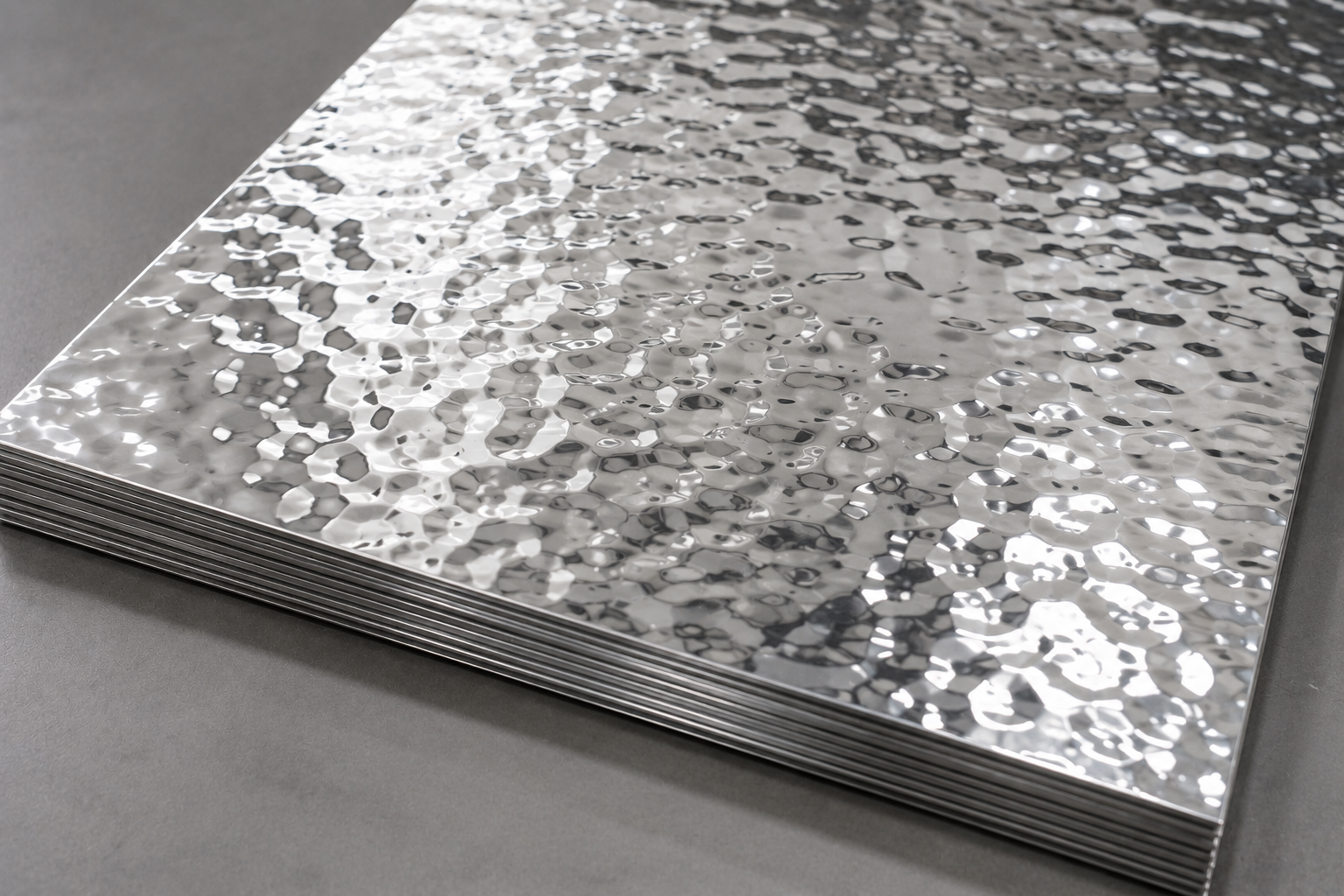
Water ripple stainless steel sheets are metal panels embossed with a flowing wave pattern across the surface. During production, rollers press the design into the steel, and the raised and recessed areas catch light at different angles. They can be finished in mirror, PVD-coated, or coloured options. Embossing does not reduce the steel’s corrosion resistance, which is why the finish is often chosen for interiors. It also helps conceal fingerprints and light marks better than a plain mirror sheet. Manufacturing quality matters because uneven roller pressure or poor dimensional control can affect the look, fit, and long-term durability of the sheets.
Step-by-Step Manufacturing Process of Water Ripple Stainless Steel Sheets
Raw Material Selection
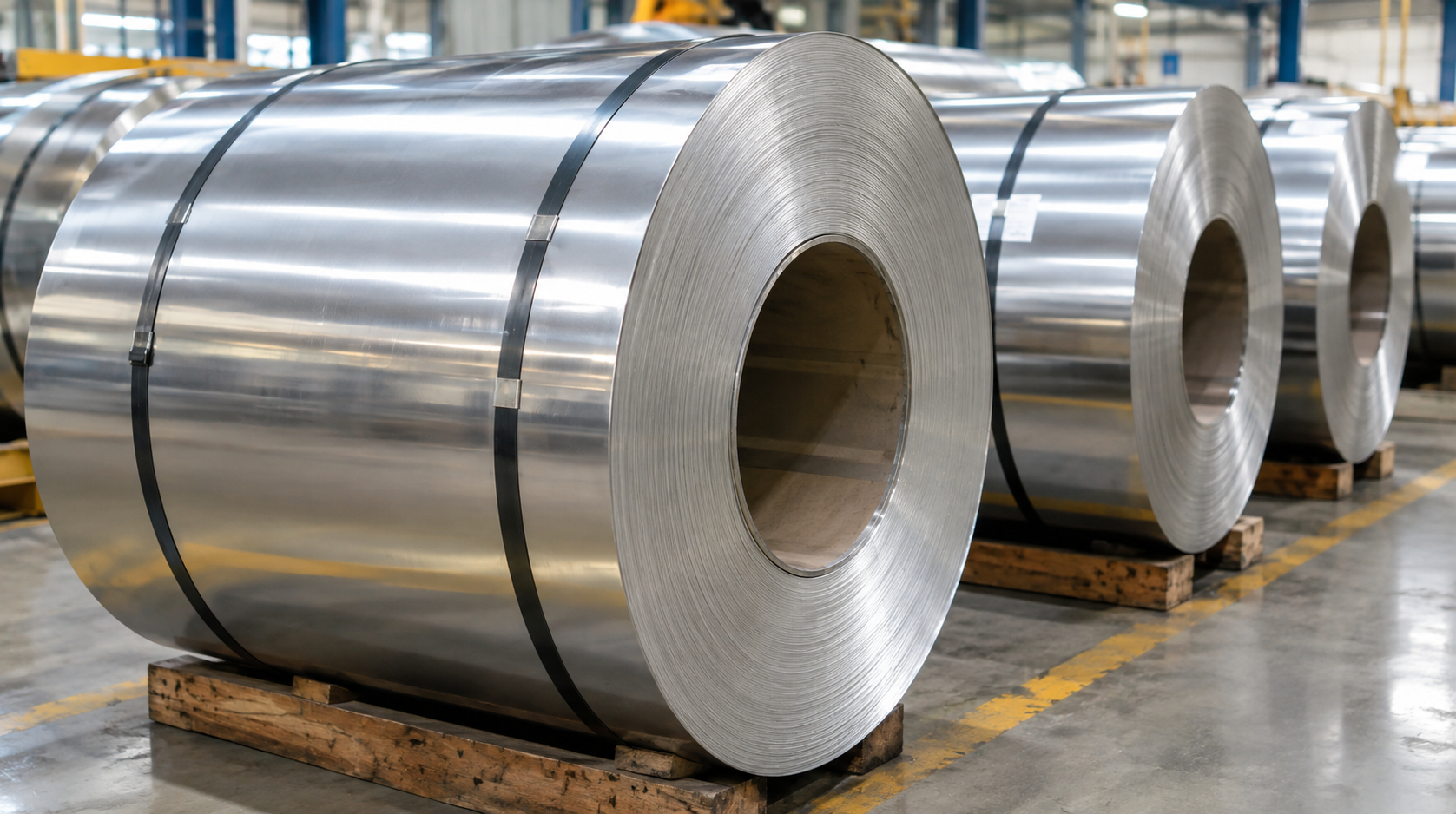
Starts with SS 304 or SS 316 coils, chosen for corrosion resistance. Each batch gets checked for defects first.
Surface Preparation
Sheets are cleaned and degreased to remove oil, dust, and residue. A dirty sheet won’t take embossing evenly.
Water Ripple Embossing Process
Rollers with the wave texture press into the sheet under controlled hydraulic pressure. Steady pressure and speed keep the pattern consistent across the panel.
Polishing and Surface Finishing
Depending on the finish required, sheets are mirror polished, or run through hairline or satin finishing, before or after embossing.
Quality Inspection and Final Finishing
Sheets are checked for pattern consistency, defects, and dimensions. Once approved, a protective film goes on before packing.
Quality Checks During Manufacturing
Each batch of water ripple stainless steel sheets is inspected visually under good lighting for scratches, dents, and dull spots. Ripple pattern is checked panel to panel, since a mismatch is noticeable once sheets sit side by side on a wall. Thickness is measured against the order spec, and colour is checked separately on PVD batches for tone variation.
| Inspection Parameter |
Purpose |
| Surface Finish | Verify polish quality |
| Ripple Pattern | Ensure uniform embossing |
| Sheet Thickness | Confirm dimensional accuracy |
| Colour Consistency | Verify PVD finish quality |
| Surface Defects | Detect scratches or dents |
| Final Packaging | Prevent damage during transportation |
Benefits of Water Ripple Stainless Steel Sheets
Premium Decorative Appearance
The embossed texture gives more depth than a flat sheet, which is why it’s used on walls that need to stand out.
Excellent Corrosion Resistance
SS 304 and SS 316 hold up well in humid conditions, so these sheets work indoors or outdoors.
High Durability
The textured surface takes handling and daily wear better than a smooth panel, which helps in busier spaces.
Easy Maintenance
Cleaning is just a wipe with a damp cloth. The texture also hides small smudges that would show on a flat mirror finish.
Applications of Water Ripple Stainless Steel Sheets
Hotel & Hospitality Interiors
Used on lobby walls and reception areas where the reflective pattern adds more presence.
Luxury Residential Projects
Used on feature walls and staircases, mainly where a full mirror finish would be too much.
Ceiling Panels
Works well here since the texture spreads light out rather than creating hard glare like a flat mirror ceiling.
Wall Cladding & Feature Walls
Good for larger wall runs, partly because the pattern helps disguise panel seams and install marks.
Elevator Interiors
Common in lifts since the surface gets touched a lot and the texture hides fingerprints better.
Retail Stores & Shopping Malls
Used on storefronts and displays where the finish catches attention under spotlighting.
Restaurants & Commercial Spaces
Used on bars and accent panels, mostly for a warmer look than a plain mirror surface.
Factors to Consider Before Choosing Water Ripple Stainless Steel Sheets
Grade matters first. SS 304 is fine for most interior work, SS 316 is better where there’s salt air or chemical exposure. Pattern size should suit the space, a fine ripple can get lost on a large wall, while a bold one might be too much in a small room. Mirror gives more reflectivity, PVD gives colour without losing corrosion resistance. Thickness and indoor versus outdoor use also need working out before ordering.
| Selection Factor |
Recommendation |
| Material Grade | SS 304 for interiors, SS 316 for corrosive environments |
| Finish | Mirror or PVD based on design requirements |
| Pattern Size | Match architectural aesthetics |
| Sheet Thickness | Based on structural and decorative needs |
| Installation Area | Interior or exterior use |
| Maintenance | Select finish based on cleaning requirements |
Conclusion
Water ripple stainless steel sheets get their finish through a fairly precise sequence, embossing, polishing, and inspection, and each stage has to be done properly for the panel to look right. Getting the grade, pattern size, and finish right at the start avoids problems later. Visit the Stainlessinox Water Ripple Stainless Steel Sheets product page to check specifications, grades, finishes, sizes, and customisation options.