Stainless steel mirror sheets are seen more often in hotel lobbies, lift interiors, and shop displays. They all have this polished finish. It is a stainless steel decorative sheet with a mirror finish, durable in high traffic and humid areas. Engineers specify them for good looks, corrosion resistance and low maintenance. This blog goes through where stainless steel mirror sheets are used, which industries rely on them, and what to check before buying.
What Are Stainless Steel Mirror Sheets?
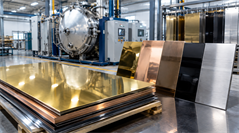
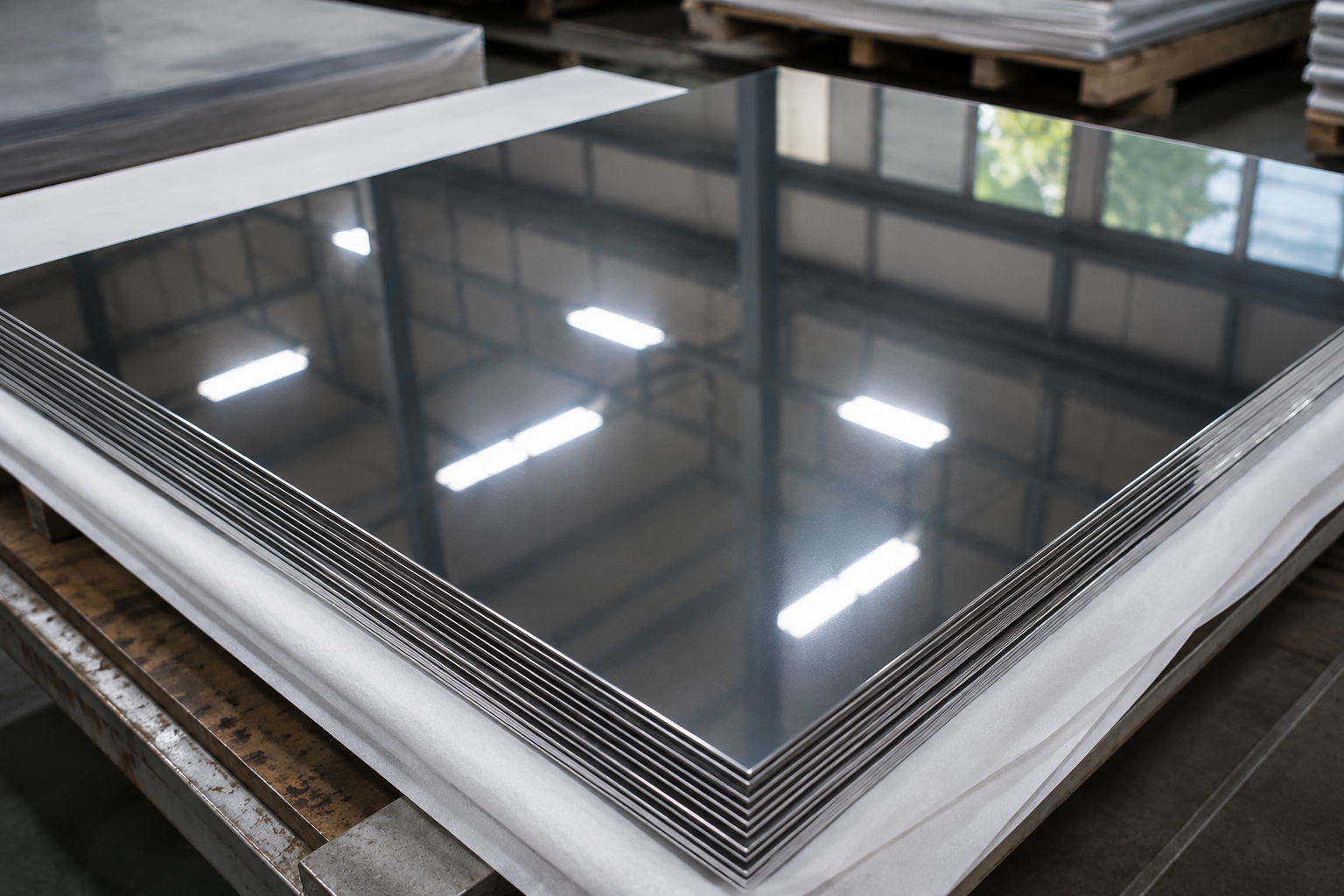
Stainless steel mirror sheets are flat sheets polished until they reflect almost like a mirror. The polishing is done in stages, taking off small surface marks so that the reflectivity can build up. Most of the suppliers deal in SS 304 or SS 316. SS 316 contains molybdenum that makes it perfect for humid or salty conditions and performs well in coastal projects. The finish itself is non-porous and smooth and resists staining and tarnishing. That is why architects use it for cladding, panels and fixtures where appearance and strength are important.
Key Features of Stainless Steel Mirror Sheets
The mirror finish gives a bright, reflective look that most polished metals can’t quite match. It holds up against corrosion, even in coastal or humid conditions across the GCC. The surface is smooth, so dust and fingerprints wipe off fast, which matters in high traffic spaces. It can be cut, bent, or welded without losing the finish, so fabricators can shape it for indoor or outdoor jobs alike.
|
Feature |
Benefit |
| Mirror Finish | Premium aesthetic appeal |
| High Reflectivity | Enhances brightness and visual space |
| Corrosion Resistance | Long service life |
| Smooth Surface | Easy cleaning and hygiene |
| Durable Construction | Suitable for high-traffic environments |
| Excellent Fabricability | Easy cutting, bending, and fabrication |
Why Stainless Steel Mirror Sheets Are Popular in Modern Architecture
Designers use stainless steel mirror sheets because they reflect light, natural and artificial both. That makes small rooms look bigger, which is why hotels and malls use them in lobbies and atriums. Modern buildings tend to go for clean, reflective surfaces instead of heavy ornamentation. It works for commercial and residential jobs alike, mostly because it fits a modern look without needing much extra design work.
Industries Where Stainless Steel Mirror Sheets Are Used
Architecture & Building Facades
Used on exterior cladding, wall panels, and entrances. Gives buildings a premium look without much extra work.
Interior Design & Decoration
Common in feature walls, ceiling panels, and partitions. Also used a lot in high end residential interiors.
Hospitality Industry
Hotels and restaurants use stainless steel mirror sheets for reception areas and interiors. Gives a polished, upscale feel.
Retail & Commercial Spaces
Display units, showrooms and malls use mirror panels. Makes commercial spaces stand out from the crowd.
Elevator & Escalator Interiors
Used in lift cabins, door panels, and lobby finishes. Scratch resistant, so it holds up under daily use.
Healthcare & Pharmaceutical Facilities
It is used for clean rooms, labs and wall paneling. Easy to wash & that is very important for hygiene.
Food Processing & Commercial Kitchens
Kitchen cladding and equipment panels use it too. Resists corrosion in wet, food contact areas.
Benefits of Using Stainless Steel Mirror Sheets
Premium Visual Appeal
Gives a modern, high end look. Works well for architectural finishes that need to stand out.
Excellent Corrosion Resistance
Holds up in humid or corrosive settings. Means less maintenance over time.
Easy Maintenance and Cleaning
Smooth surface wipes clean fast. Useful in commercial spaces with heavy footfall.
Long Service Life
Resists wear and corrosion, so it keeps its look. Costs less over the long run.
How to Choose the Right Stainless Steel Mirror Sheets
Start with the grade. SS 304 is fine for most indoor use. SS 316 is widely used near the coast or where there’s chemical exposure. After that, check finish quality and thickness as per project requirements. Indoor and outdoor jobs need different levels of corrosion resistance, so that’s worth confirming early on. Fabrication, cutting, and bending should be discussed with the supplier before ordering. And it helps to buy from someone who can confirm the grade and finish properly.
| Selection Factor |
Recommendation |
| Material Grade | SS 304 or SS 316 based on environment |
| Finish Quality | Select according to decorative requirements |
| Sheet Thickness | Match structural and design needs |
| Installation Location | Indoor or outdoor application |
| Corrosion Resistance | Consider exposure conditions |
| Fabrication Requirements | Cutting, bending, welding, polishing |
Common Mistakes to Avoid When Selecting Mirror Finish Stainless Steel Sheets
Picking the wrong grade for the environment is the most common mistake. It leads to corrosion sooner than expected. Skipping checks on humidity or chloride exposure causes much the same problem. Some buyers don’t think about maintenance until after installation, and the finish dulls faster than it should. Wrong thickness is another issue, it affects both strength and how easy the sheet is to work with. Buying from suppliers who can’t confirm certification is risky, you could end up with mismatched grades.
Conclusion
Stainless steel mirror sheets work well across architecture, interiors, hospitality, retail, and food industries. They hold up, look good, and don’t need much maintenance once the right grade and finish get picked. Getting the specifications right at the start matters more than most people realise. For specifications, grades, finishes, sizes and customisation options, visit the Stainlessinox Stainless Steel Mirror Sheets product page.