What Is a Stainless Steel Brushed Finish?
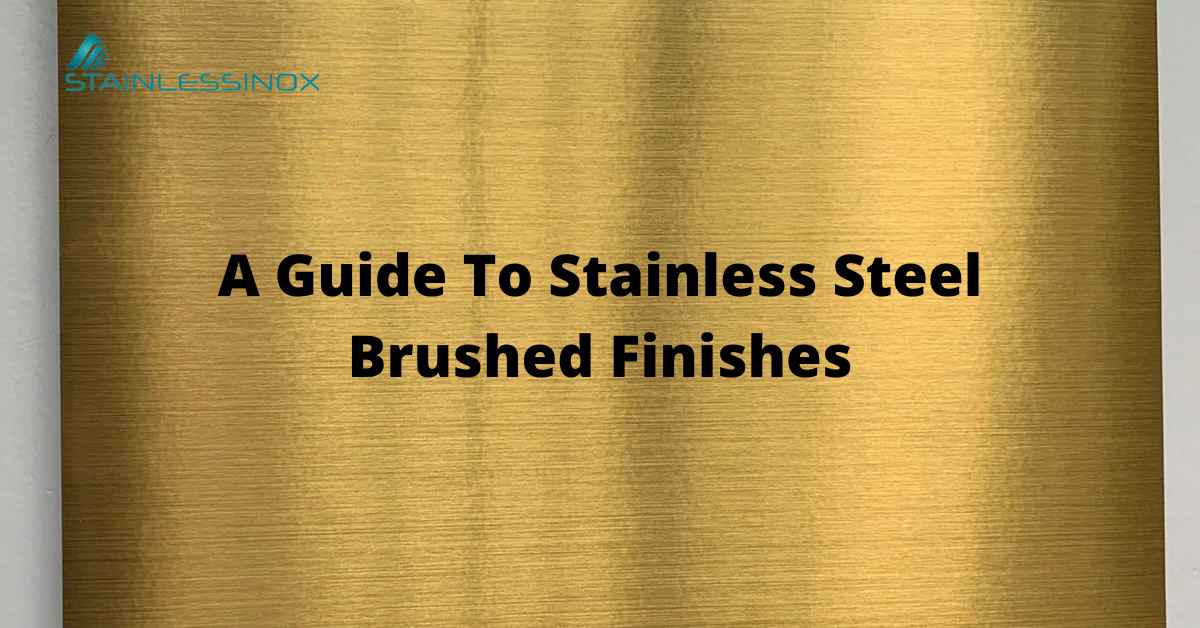
Fabricators create a stainless steel brushed finish by running fine abrasive belts across the metal surface in a single, consistent direction, cutting shallow parallel lines into the top layer. Light scatters along these lines instead of bouncing back sharply, which gives the surface a soft, low-glare texture rather than a reflective shine. This sets a brushed finish apart from polished or mirror finishes, both of which use progressively finer abrasives to erase surface lines entirely and produce a glass-like, reflective appearance. Fingerprints, light scratches, and handling marks stay far less visible on a brushed surface than on a mirror-polished one.
What Are Stainless Steel Brushes?
Stainless steel brushes used in surface finishing differ from cleaning brushes built with soft nylon bristles. Finishing operations rely on abrasive belts, flap wheels or wire wheels loaded with silicon carbide or aluminium oxide grit instead. Fabricators select grit sizes between 120 and 320 depending on how coarse or fine the finished grain needs to appear. These abrasive tools cut a repeatable pattern of micro grooves into the sheet during brush finishing stainless steel operations, and grit choice controls the final texture directly.
How Does Stainless Steel Brushed Finish Work?
Producing a brush finish stainless steel surface starts with cleaning the sheet to strip mill scale, oil, and dust that would clog the abrasive belt. The sheet then passes under rotating belts moving in one fixed direction, cutting shallow parallel grooves known as the grain. Operators control belt speed, pressure and grit sequence so the grain lines stay even across the sheet width. A final pass with finer grit smooths inconsistencies, and inspectors check the grain under raking light before packing.
Types of Stainless Steel Brushed Finishes
Four grain patterns fall under stainless steel brushed finishes, each suited to different levels of visibility, reflectivity, and maintenance across architectural, industrial, and consumer applications.
No. 3 Finish
No. 3 finish uses coarser grit, in the 100 to 120 range, leaving visible parallel lines with moderate reflectivity. Fabricators specify it for structural panels needing texture over a refined, uniform surface.
No. 4 Finish (common brushed finish)
No. 4 finish, produced with 150 to 180 grit belts, is the most specified brushed finish for kitchens and architecture. It balances a smooth touch with enough grain to hide fingerprints.
Hairline Finish
Hairline finish uses very fine, closely spaced lines that are almost invisible from a normal viewing distance, giving a uniform matte look. Elevator interiors specify it for a subtle surface.
Satin Finish
Satin finish sits between No. 3 and No. 4 grades, offering a soft, non-reflective sheen with fine, even lines. Designers select it for interior fixtures needing a smooth, low-glare texture.
Benefits of Stainless Steel Brushed Finish
A brushed finish delivers four practical advantages over other stainless steel surface treatments, particularly in settings where daily handling and visible wear both matter most.
- The directional grain lines conceal light scratches and handling marks that would show clearly on a mirror-polished surface.
- The matte, low-glare texture gives equipment and architectural panels a clean, contemporary look suited to commercial interiors.
- Routine cleaning requires only mild soap and water, since the surface resists visible water spots better than polished steel.
- The abrasive finishing process does not weaken the base metal, so the surface keeps its full corrosion resistance and strength.
Common Applications of Brushed Stainless Steel
Brushed finish stainless steel appears across architectural, culinary, transportation and industrial settings, chosen for its balance of appearance, grip, and resistance to visible surface damage.
Architecture & Interiors
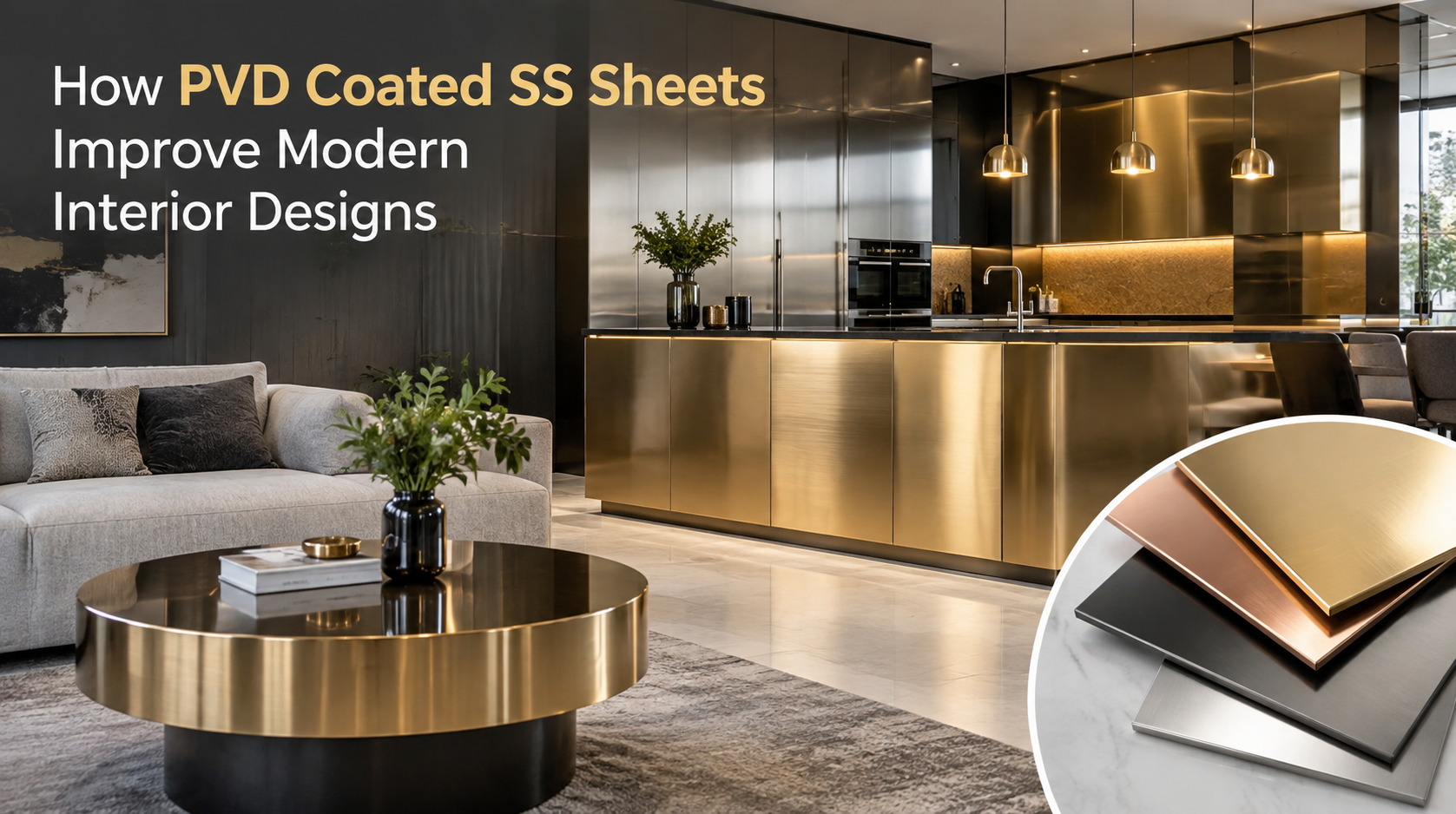
Architects specify brushed sheets for wall cladding, handrails, and column covers in lobbies and commercial spaces. The matte texture reduces glare under lighting while reading as a premium metal surface.
Kitchen Equipment
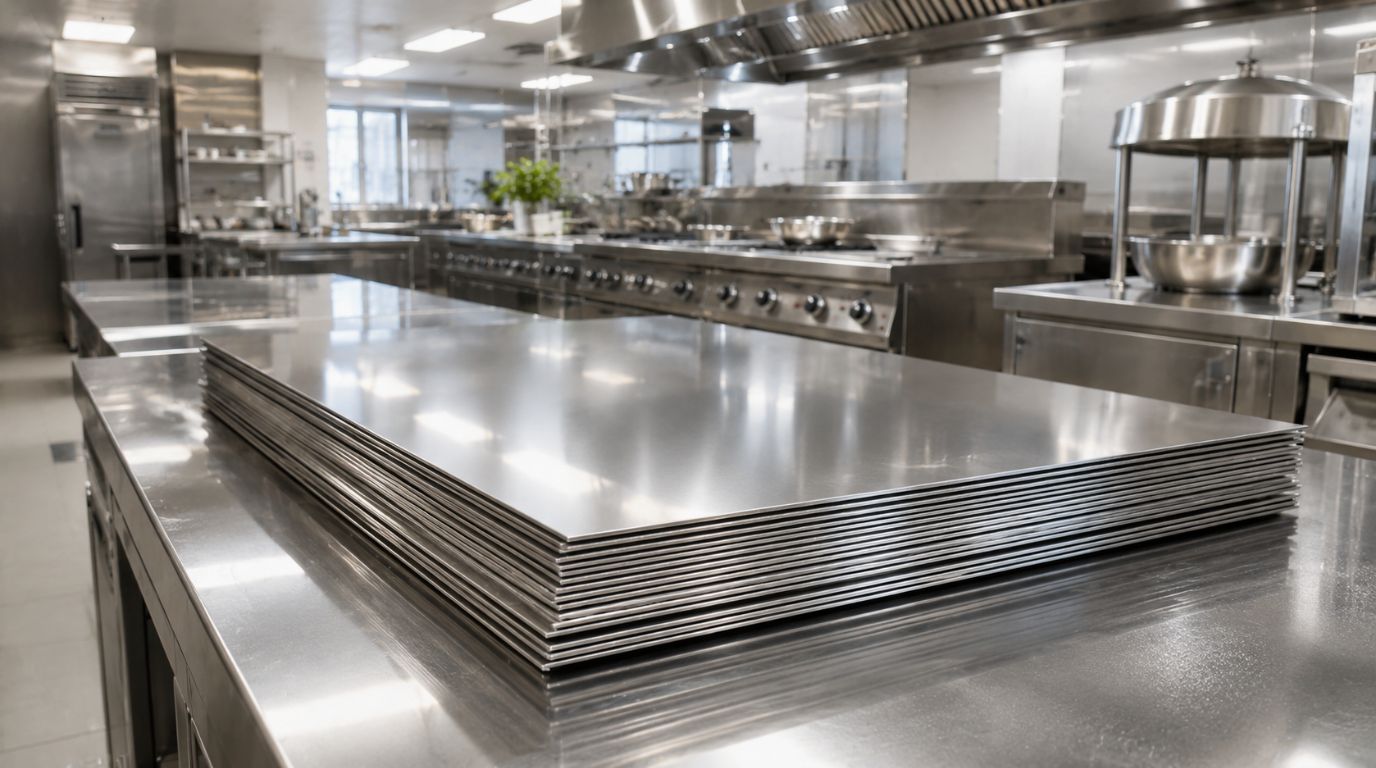
Commercial kitchens rely on No. 4 finish sheets for countertops, backsplashes and equipment housings. The surface resists fingerprints and minor abrasion from daily food preparation better than a polished alternative.
Elevators and Panels
Elevator cabin walls, ceiling panels and door frames commonly use hairline or No. 4 finishes. The consistent grain pattern hides fingerprints and scuffs from constant passenger contact in busy buildings.
Automotive Components
Trim pieces, exhaust tips and interior accents use brushed finishes to achieve a distinctive look without the glare of chrome. The texture masks minor road debris scratches from daily use.
Industrial Equipment
Processing equipment, storage tanks and machine housings use brushed surfaces where a functional, low-maintenance finish matters more than reflectivity. The grain pattern conceals operational wear from routine daily handling.
Brushed Stainless Steel vs Polished Stainless Steel: Key Differences
A stainless steel brushed finish carries a matte texture with directional grain lines and low reflectivity. A polished finish uses finer abrasives to remove grain lines, producing a moderate shine. Mirror finish undergoes extended buffing to reach a fully reflective, glass-like surface with no visible grain at all.
| Feature | Brushed Finish | Polished Finish | Mirror Finish |
| Surface texture | Directional grain lines | Smooth, low grain visibility | Fully smooth, no grain |
| Reflectivity | Low, matte | Moderate shine | High, glass-like |
| Scratch visibility | Low | Moderate | High |
| Fingerprint visibility | Low | Moderate | High |
| Typical grit range | 120 to 320 | 320 to 600 | 600 and above, buffed |
| Common use | Kitchens, elevators, architecture | Furniture, fixtures | Decorative panels, signage |
FAQs
How is a Brush Finish Stainless Steel Surface Created?
Fabricators pass cleaned stainless steel sheets under rotating abrasive belts running in one fixed direction. These fine abrasive belts cut shallow parallel lines into the metal. The micro grooves scatter incoming light, creating a low-glare brushed grain.
Can Stainless Steel Brushed Finish be used outdoors?
Both 304 and 316 grade stainless steel sheets are structurally fit for outdoor exposure. 316 grade is resistant to marine salt spray, while 304 is good for general suburban rain and UV exposure. Quarterly fresh-water rinsing prevents airborne chlorides and industrial pollution from spotting the grain.
How do you clean and maintain Brushed Stainless Steel?
Wipe the surface with mild soap, warm water and a soft cloth, always moving along the grain direction to avoid cross-scratching or dulling the finish. StainlessInox supplies brushed and hairline finish sheets up to 20mm thick and 1500mm wide for architectural and industrial fabrication.