Industrial fabrication demands more than skilled labour and precision machinery. The structural materials chosen at the planning stage determine how a finished structure performs over decades of service. Stainless steel angles are at the centre of this decision. Fabricators across sectors, from oil and gas to food processing, rely on them for structural integrity, corrosion resistance, and predictable long-term performance in environments where ordinary mild steel fails within years.
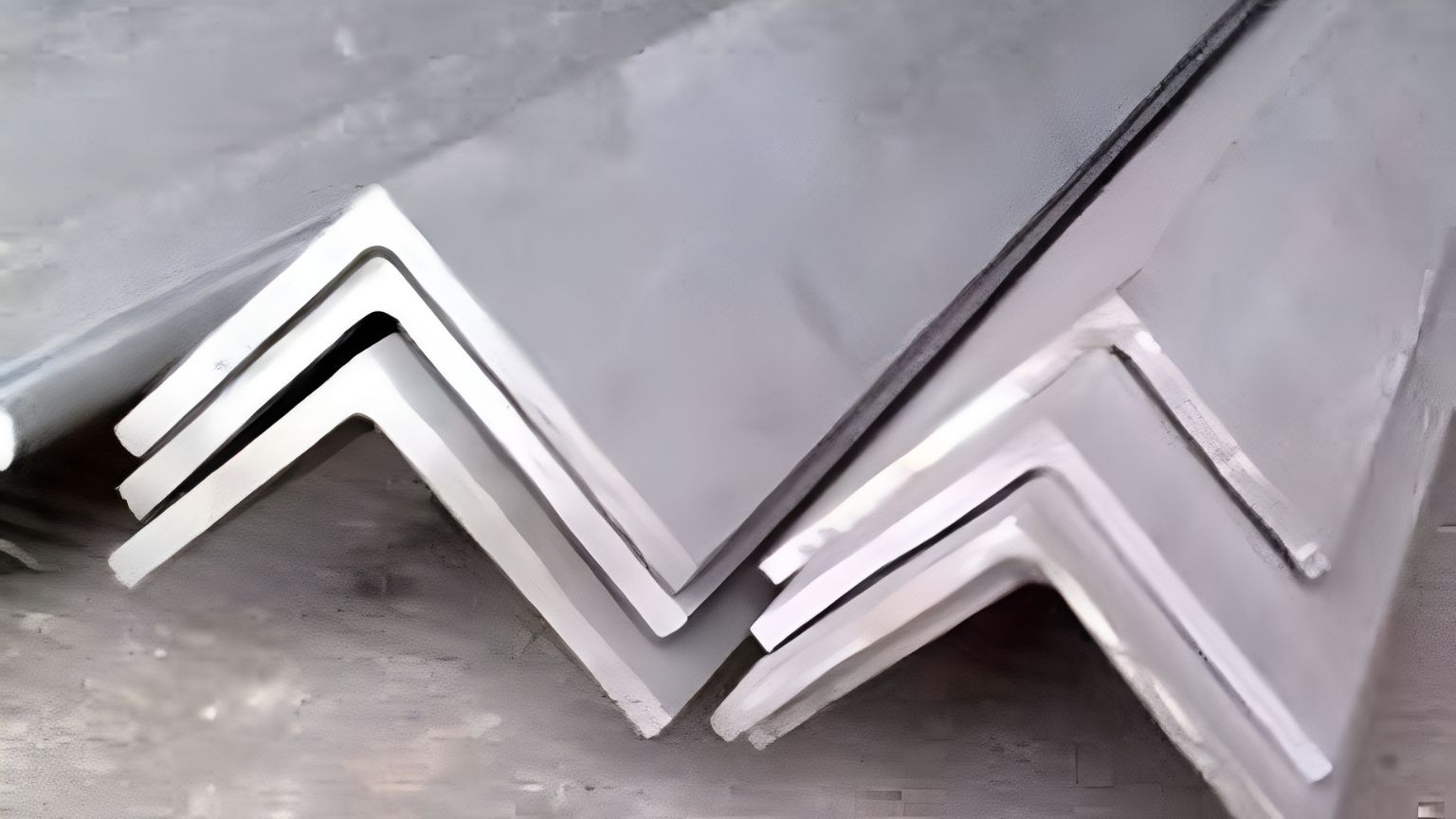
A stainless steel angle is an L-shaped structural section with two legs meeting at 90 degrees. Equal-leg angles carry identical dimensions on both sides, while unequal-leg versions suit asymmetric load requirements. Common grades used in fabrication are 304, 316, 310, 321 and duplex grades such as 2205. General-purpose applications use grade 304. Grade 316 stainless steel is often specified for service in environments requiring increased resistance to chlorides and corrosive media. Grade 310 is widely used at elevated temperatures, while 321 resists sensitisation during welding. Duplex 2205 combines higher mechanical strength with improved resistance to localised corrosion compared with many standard austenitic grades.
Many industries rely on High-Quality Stainless Steel Angles to achieve reliable structural support, superior corrosion resistance, and long service life in demanding fabrication environments.
Key Properties Of SS Angles Ideal for Fabrication
Corrosion Resistance
Stainless steel angles develop a passive layer of chromium oxide on their surface that is self-repairing. It forms a barrier to protect the base metal from moisture, industrial chemicals and oxidizing agents. In chloride-rich environments like chemical wash areas and seawater, where grade 304 would exhibit pitting within 12 to 18 months, grade 316 or duplex 2205 will stand up. Fabricators working in coastal regions or chemical plants specify these grades from the outset to avoid premature replacement.
High Strength-to-Weight Ratio
Grade 304 stainless steel has a tensile strength of around 515 MPa at a density of 7,930 kg/m3. This combination allows designers to specify smaller section sizes without losing any load capacity. Lightweight angles in overhead frameworks and elevated platforms reduce the load on the primary support columns without compromising the structural safety margins.
Excellent Weldability and Fabrication
Stainless steel angles cut cleanly with plasma, waterjet, or angle grinding equipment. TIG or MIG welding produces sound joints using standard stainless wire consumables. Grades 321 and 347 resist intergranular corrosion at the weld heat-affected zone, removing the need for post-weld annealing in most applications and reducing fabrication time per assembly.
Durability and Longevity
A correctly specified stainless angle installed in a suitable environment needs no protective coating, no galvanising, and minimal inspection over a 20 to 30-year service life. Carbon steel, by contrast, requires periodic painting, galvanising upkeep, and eventual replacement once section loss from corrosion crosses safe limits. The higher upfront cost of stainless angles often recovers within eight to ten years through avoided maintenance expenditure.
Aesthetic Appearance
Stainless steel angles accept a range of surface finishes: mill 2B, brushed No. 4, or mirror-polished 8K. This makes them useful for exposed architectural applications where carbon steel would need to be painted or clad, such as handrails, balustrades and facade supports. No additional finishing step means faster project delivery.
Applications of Stainless Steel Angles in Industrial Fabrication
Structural Frameworks
Stainless angles are used for secondary structural frames in industrial buildings, warehouses, and manufacturing plants, such as purlins, bracings, cable trays, and mezzanine deck supports. In some cases, for example, a battery plant or an electroplating facility, the entire secondary steel structure may be required to be constructed of 316L angles to avoid long-term deterioration of the building fabric due to exposure to corrosive substances.
Equipment and Machinery Manufacturing
Machine frames, protective guards, and equipment support brackets in production lines regularly use stainless angles. A standard 304 angle forms stable machine bases that resist cleaning chemicals used in routine plant maintenance. Fabricators also use angles as reinforcing stiffeners inside larger fabricated enclosures to prevent panel deflection under load.
Construction Industry
Bridges, staircases, access platforms, and structural support systems incorporate stainless angles where exposure conditions make painted carbon steel impractical. External stair stringers and dock-side grating frames in marine environments specify 316 or duplex sections. The maintenance-free surface performs through repeated wet-dry and freeze-thaw cycles without intervention.
Oil and Gas Industry
Offshore platforms and refinery structures operate in some of the most corrosive environments in heavy industry. Stainless angles used in pipe support brackets, cable management systems, and instrument enclosure frames survive continuous chloride and hydrogen sulphide exposure that would corrode conventional steel within two to three years.
Chemical and Petrochemical Plants
Process equipment supports, tank saddles, and pipe rack structures in chemical plants handle spills, vapour exposure, and cleaning agents that destroy conventional coatings. Grade 316L handles dilute sulphuric, phosphoric, and acetic acid environments. Duplex 2205 provides a further step up for concentrated acid or elevated-temperature conditions.
Food Processing and Pharmaceutical Industries
Frames for food production facility equipment, conveyor supports, and wall-mounted brackets are all washed down on a daily basis with caustic soda, chlorine-based sanitisers and steam. Grade 316L is compliant with FDA and EU food contact material. The non-porous stainless surface inhibits bacterial adhesion and allows for cleaning validation in pharmaceutical manufacturing environments.
Future Demand for SS Angles in Industrial Projects
Infrastructure investment in the GCC, South Asia and Southeast Asia continues to expand the market for stainless structural sections. New desalination plants and petrochemical complexes in Saudi Arabia and the UAE specify stainless structural materials from the design stage. Sustainable construction now accounts for total lifecycle cost rather than upfront price alone, which consistently favours stainless over painted carbon alternatives. These converging trends point to sustained growth in stainless angle consumption through the 2030s.
Stainless steel angles deliver a combination that no single alternative matches: corrosion resistance that eliminates coating maintenance, tensile strength that supports heavy loads on lean section sizes, machinability that reduces shop fabrication time, and a surface finish that serves both industrial and architectural applications. Selecting the right grade and cross-section for each project determines whether the installation performs for decades or requires costly intervention within a few years. Contact StainlessInox International FZCO to confirm available grades, dimensions, and stock.
Conclusion
Stainless steel angles combine strength, corrosion resistance, fabrication ease, and surface finish in a way that no coated carbon alternative replicates over a full project lifecycle. From offshore refinery supports handling hydrogen sulphide exposure to pharmaceutical conveyor frames cleaned daily with chlorinated sanitisers, the right grade and section size determine whether a structure performs without incident for 25 years or requires costly remediation within five. Choose grade and dimension based on the actual service environment, load requirements, and maintenance budget. Contact StainlessInox International FZCO to confirm stock availability and dimensions for your next fabrication project.