Marine and coastal environments are extremely harsh on metals. In regions like the UAE, the air is humid, and it is filled with salt spray and chlorides. Saltwater is aggressive and causes most standard metals to oxidise and rust much faster than they would inland. If you choose the wrong material for a project near the sea, you will likely see structural failure or heavy surface damage within a few years or even months. This is why material selection is the most important part of planning marine engineering or coastal construction. Stainless Steel 316 Sheets have become the primary choice for these types of projects because they are designed to handle these specific conditions. There is a clear increase in demand for these materials in the UAE and globally as more infrastructure is built along coastlines. Using high-quality stainless steel 316 sheets for marine use ensures that a project stays safe and looks good despite the harsh weather.
What Are Stainless Steel 316 Sheets?
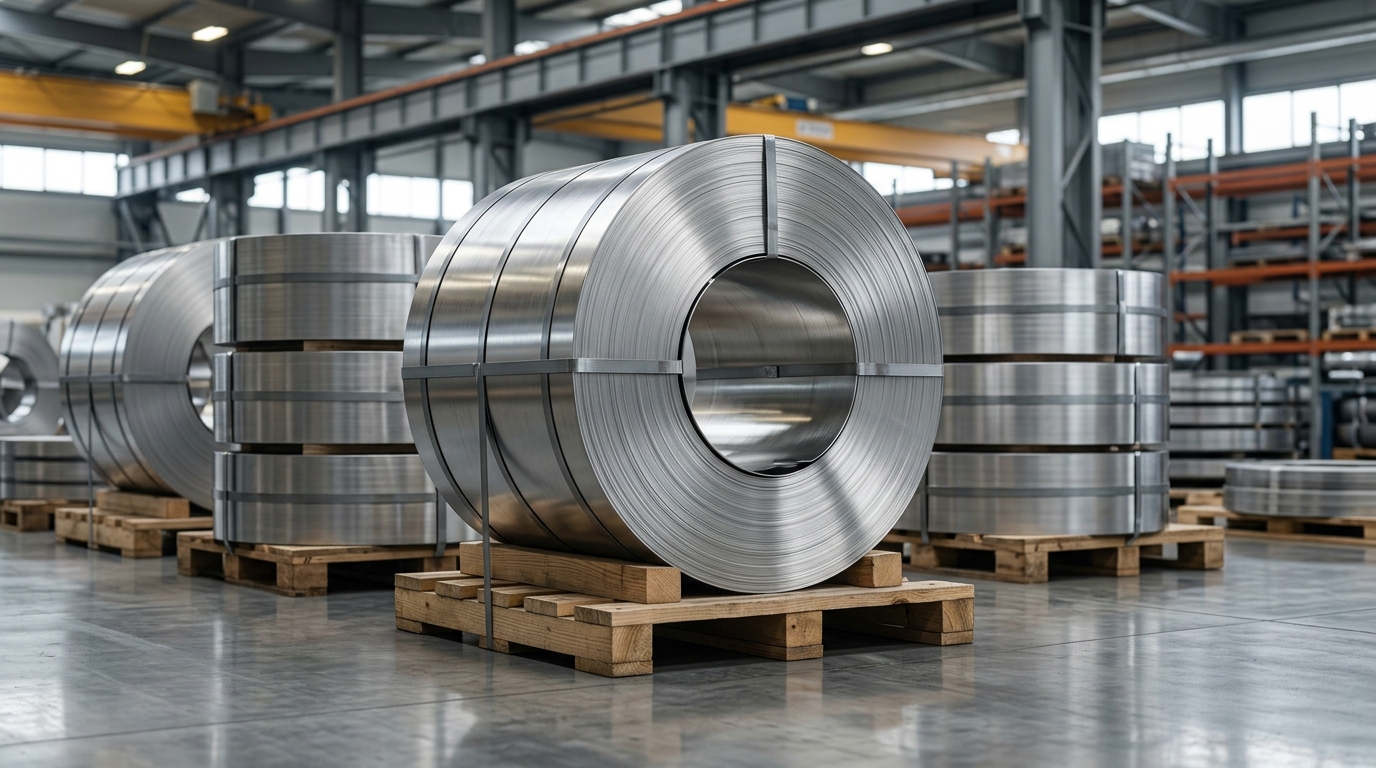
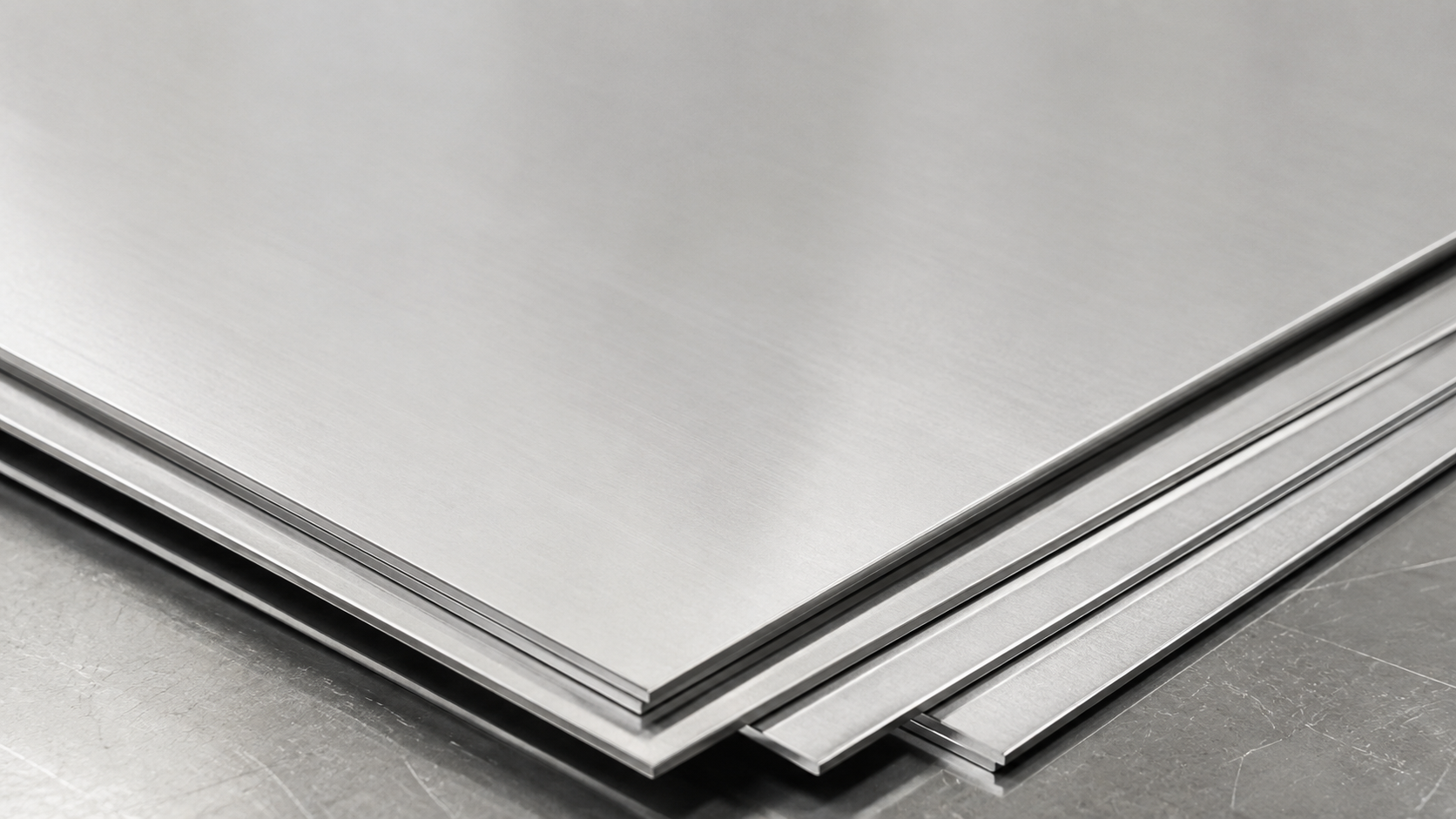
SS 316 Sheets are a grade of austenitic stainless steel. While they look similar to the more common 304 grade, the chemical composition is different. The most important difference is that 316 contains 2% to 3% molybdenum in its composition. This specific addition is what makes the metal resistant to pitting and crevice corrosion in chloride environments. If you compare it to 304, the 316 grade is much more durable when exposed to salt. It also has nickel and chromium, which are standard in stainless steel, but the molybdenum is the key for marine use. These products are available in several forms depending on the project needs, including thick plates, thin sheets, and large coils for industrial fabrication.
Key Properties of SS 316 Sheets
- Excellent corrosion resistance: This is the main reason people buy this grade. It resists chlorides and industrial solvents very well.
- High strength and durability: The metal maintains its structural integrity even when it is used in high-stress environments or under heavy loads.
- Heat resistance: It can withstand high temperatures without losing its shape or strength, which is useful in engine rooms or industrial coastal plants.
- Good weldability and fabrication: Most common welding methods work on 316, and it is easy to cut, bend, and shape into the parts you need.
- Low maintenance: Because it does not rust easily, you do not have to spend a lot of time cleaning it or applying protective coatings.
- Long service life: A structure made with 316 will usually last much longer than one made with lower grades, meaning it does not need to be replaced as often.
Why SS 316 Sheets Are Ideal for Marine & Coastal Applications
Superior Corrosion Resistance
Salt in coastal air and water makes most metals rust. Because 316 has that extra molybdenum, it creates a more stable passive layer on the surface. This layer protects the metal from reacting with saltwater and the high humidity found in the UAE. It stays clean and functional even when it is constantly splashed by the sea.
Resistance to Pitting and Crevice Corrosion
Pitting is a kind of corrosion that makes small holes in the metal and is common in salty areas. 316 is designed to prevent this. It also resists crevice corrosion, which usually occurs in tight spaces like under washers or in joints where saltwater can get trapped. This makes it very reliable for complex assemblies.
Long-Term Durability
When a material is under continuous exposure to the elements, it can get brittle or weak. 316 stays strong. It does not degrade quickly in heat or where the air is wet. This durability means the physical structure of the metal stays the same for decades, which is what you want for things like sea walls or railings.
Low Maintenance Requirements
Maintaining coastal property is expensive. If you use materials that rust, you have to paint them or treat them every year. With SS 316 Sheets, the maintenance is very simple. Usually, a regular wash with fresh water is enough to remove the salt buildup. This helps in keeping the operational costs low for the owner of the building or ship.
Strength Under Extreme Conditions
Marine environments involve more than just salt. There is often high pressure from waves, wind, and fluctuating temperatures. 316 can handle these tough conditions without cracking. It is strong enough for structural parts that need to carry heavy loads in hard-to-reach places.
Applications in Marine and Coastal Environments
- Shipbuilding and marine equipment: It is used for hull parts that stay underwater.
- Deck fittings: Boat parts like cleats, rails, and winches are made from 316 to prevent rust.
- Coastal Infrastructure: Bridges built over saltwater or near the shore use these sheets for structural support.
- Railings: Pedestrian walkways along the beach use 316, so the railings don’t get rough and rusty.
- Coastal buildings: Seaside hotels often use this grade for decorative panels and window frames.
- Offshore platforms: Oil rigs use 316 for many parts because they are surrounded by seawater.
- Water Treatment & Desalination Plants: In desalination plants, tanks and pipelines that carry salt water are made from this material.
Tips for Choosing the Right SS 316 Sheets
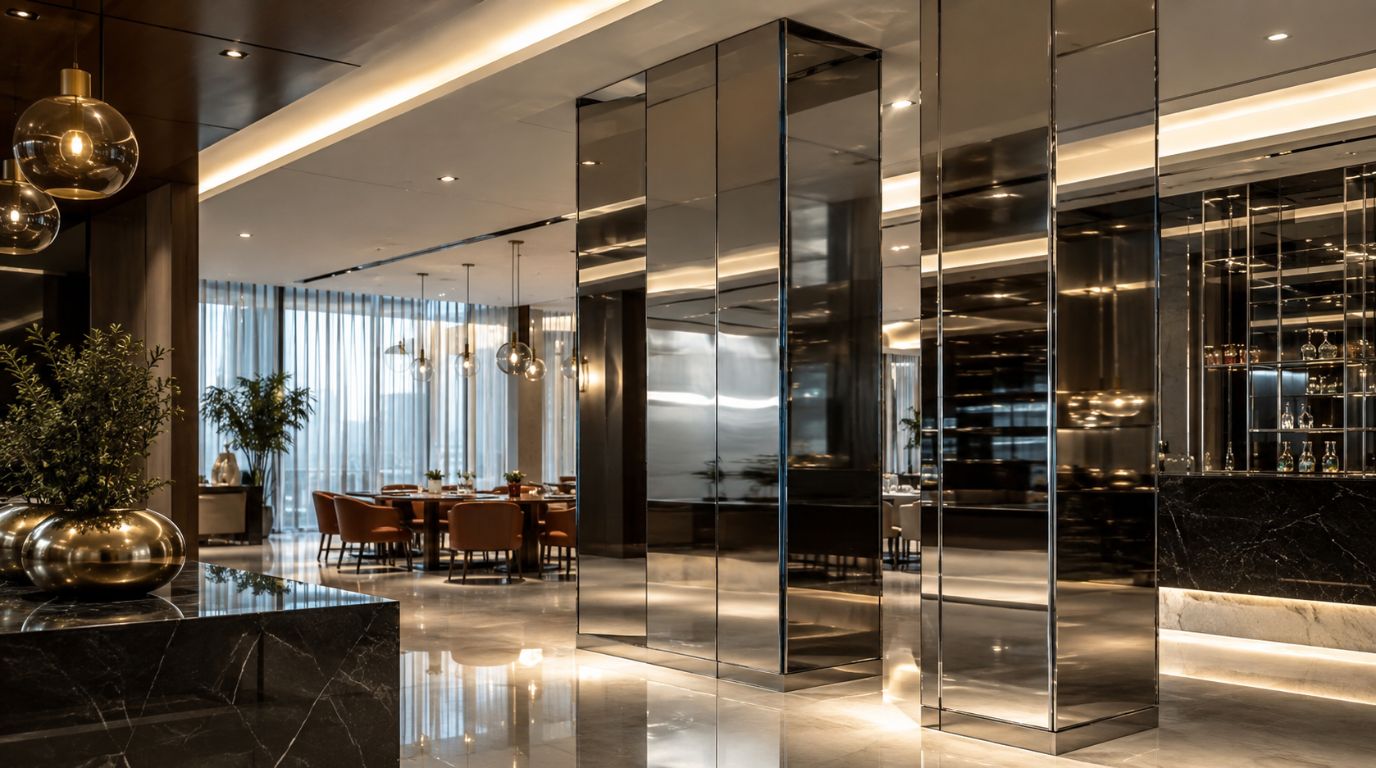
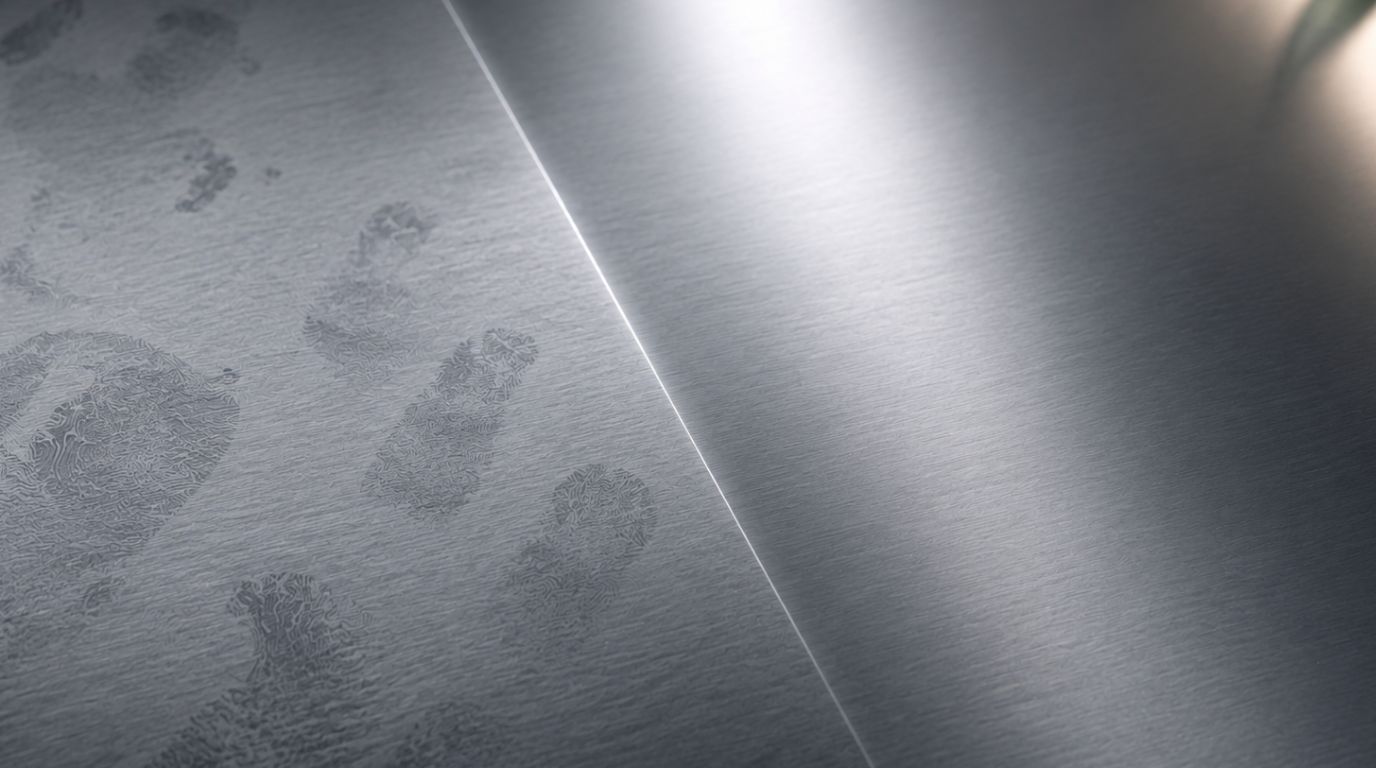
When you are looking for SS 316 Sheets, you need to check the grade certification first. Always ask for a Mill Test Certificate (MTC) to prove that the metal actually contains the required amount of molybdenum. Without this, you might be getting a lower grade that looks the same but will rust. You also need to think about the surface finish. A smoother finish, like No. 4 or mirror, is better for coastal areas because salt doesn’t stick to it as easily.
The thickness and size of the sheet depend on whether you’re making a light fence or a heavy tank. It’s best to work with a trusted SS 316 sheet supplier who knows UAE requirements. They can help you choose the right thickness and ensure that the sheets comply with international standards like ASTM or EN. Proper compliance ensures that the material will behave exactly how the engineers expect it to during construction.
Conclusion
If you are building anything in a marine or coastal setting, SS 316 Sheets are the most practical choice. They offer a level of protection against saltwater and pitting that other grades simply cannot match. Although SS 316 costs more than 304 at first, its durability and low maintenance make it affordable in the long run. It also reduces the need for repairs or replacements caused by corrosion. For any project where the metal will be exposed to the sea or salty air, 316 is the standard for a reason.
If you need a reliable supply for your next project, StainlessInox is a leading SS 316 sheet supplier in the UAE. We stock a wide range of sizes and finishes to meet your specific needs. Contact us today for a quote or to discuss your marine or coastal project.