Choosing the right material for an industrial project can be very difficult. Stainless steel is an important part of modern industry. Selecting the correct grade is about more than just price. It is about performance under pressure, durability in moisture environments, and how the metal reacts to the chemicals it is exposed to. Both SS 304 Sheets and SS 316 Sheets look almost identical. They are both shiny, heavy, and strong. However, their internal chemistry makes them behave very differently when put to work. Making the wrong choice can lead to a difference in performance that costs a company a lot of money in repairs.
Overview of SS 304 Sheets
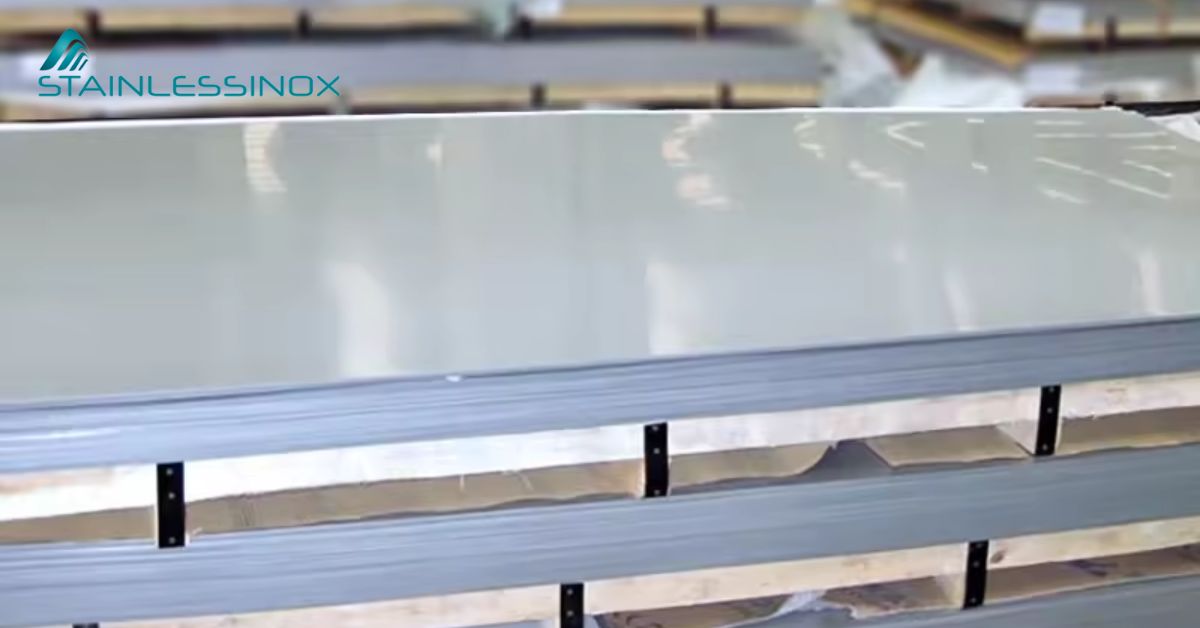
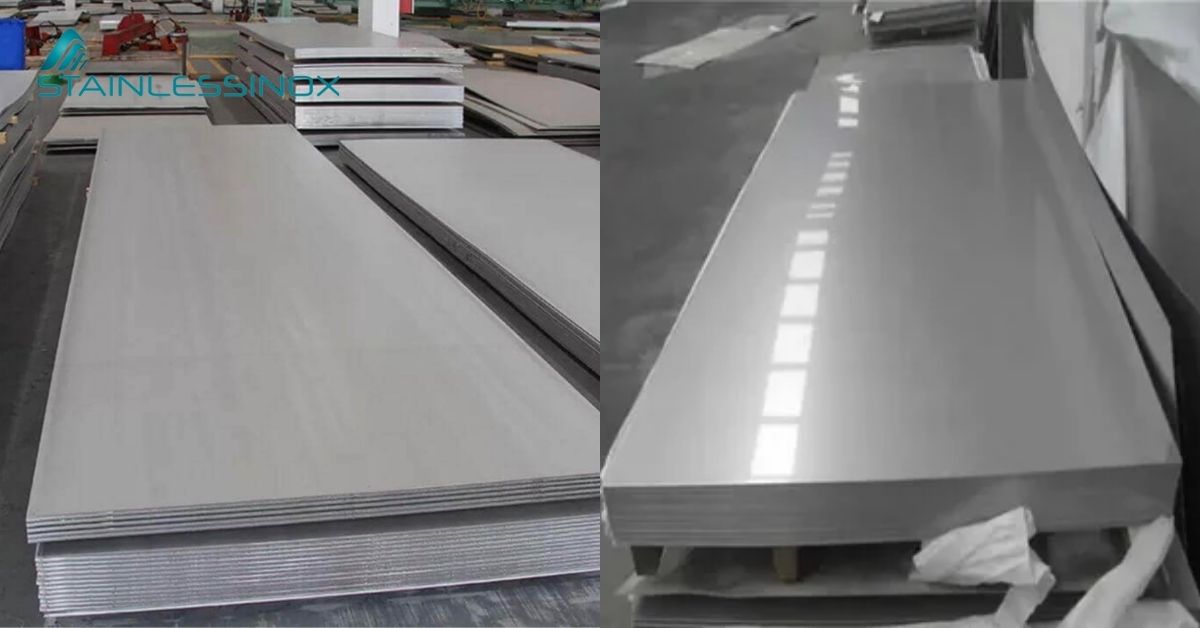
SS 304 Sheets are the most common form of stainless steel used across the globe. This grade is an austenitic steel, which means it has a specific crystal structure that makes it easy to shape and weld. When you look at the chemical composition, you will find about 18% chromium and 8% nickel. Because of these numbers, many industrialists simply call it 18/8 stainless.
The chromium gives the metal its ability to resist rust. It forms a thin, invisible layer on the surface that prevents oxygen from corroding the iron. The nickel added to the composition makes the metal much tougher and easier to work with. These properties make Stainless Steel 304 Sheets a top choice for many businesses. They handle moisture well and can be cleaned easily, which is why you see them in food processing plants, industrial kitchens, brewery tanks, and heat exchangers.
We often supply these sheets for projects where the environment is controlled or where the chemicals involved are not overly aggressive. They are strong enough to handle daily wear and tear. They are also quite affordable compared to higher grades. This balance of cost and utility is why 304 remains the industry standard for general purposes.
Overview of SS 316 Sheets
When the environment gets tough, SS 316 Sheets are required. This grade is an upgraded version of 304. Along with chromium and nickel, it also contains molybdenum. Usually, you will find about 2% to 3% of molybdenum in the composition. This single addition changes how the metal reacts to salt and harsh acids.
Stainless Steel 316 Sheets are often called “marine grade” steel. This is because they can survive in the ocean where salt spray would corrode other metals easily. Salt is particularly good at causing “pitting,” which are tiny holes formed on the metal. Molybdenum stops this process.
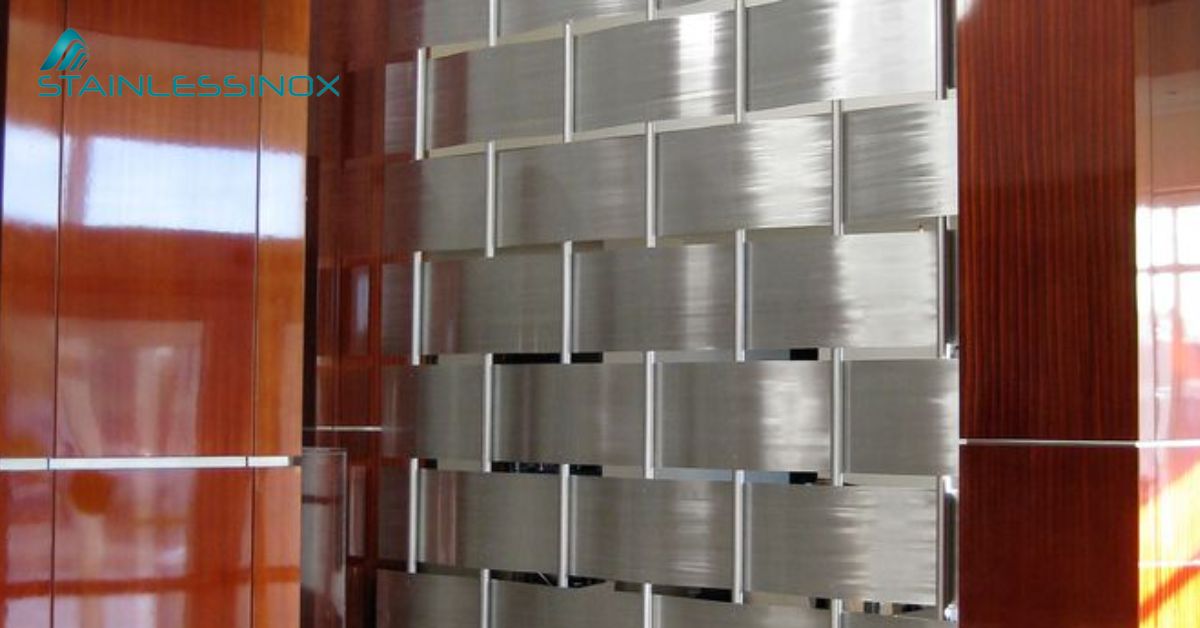
Next to marine environments, we see 316 used in pharmaceutical plants where cleanliness is a legal requirement. It is also found in chemical processing units, medical implants, and high-end architectural finishes in coastal cities. If your project involves heavy exposure to chlorides or industrial solvents, 316 is a good choice. It is more expensive than 304, but it prevents the massive costs of premature failure.
SS 304 vs SS 316 Sheets: Key Differences
Understanding the technical gap between these two is easier when you see them side-by-side.
|
Feature |
SS 304 Sheets | SS 316 Sheets |
|
Chromium Content |
18% |
16% |
|
Nickel Content |
8% |
10% |
|
Molybdenum |
0% |
2% – 3% |
|
Corrosion Resistance |
Good (Standard) |
Superior (High Chloride Resistance) |
|
Common Use |
Kitchens, Food Processing |
Marine, Pharma, Chemicals |
| Cost | Lower |
Higher |
| Formability |
Excellent |
Very Good |
Sourcing and Choosing a Reliable Supplier
The quality of the sheet is only as good as the mill it came from. In our 30 years of experience, we have learned that honesty in the supply chain is everything. When you are looking for Stainless Steel Sheet Exporters, you need to be sure the metal matches the certificate.
A reliable supplier will provide sheets that meet ASTM standards. These standards ensure that the thickness is consistent across the entire sheet and that the surface finish is smooth. Whether the order is big or small, the metal must meet the client’s exact needs. We understand that a small mistake in thickness or grade can ruin a complex industrial machine.
Global sourcing has made it easier to get metal, but it has also made it harder to track quality. This is why we maintain a “lifetime alliance” with our customers. We provide the highest quality products because we want our clients to trust us for their next project and the one after that.
Choosing between SS 304 and 316 depends entirely on the application. If you are building equipment for an indoor food factory or a standard industrial warehouse, SS 304 Sheets are usually the best choice. They offer great durability without breaking the budget. They are easy to weld and will last a long time if kept clean.
However, if your facility is near the coast or deals with harsh cleaning chemicals, SS 316 Sheets are the better investment. They resist the pitting and corrosion that destroy 304 in salty air. The higher price you pay upfront is much lower than the cost of replacing rusted equipment two years down the line.
At Stainless Inox, we help you make this choice with confidence. We adhere to the most stringent quality standards because we know your business depends on it. From our roots in Dubai to our expansion in India, we remain dedicated to providing the best materials for your industrial needs. Always source from trusted Stainless Steel Sheet Exporters who can guarantee the grade and the quality of every sheet delivered to your site.