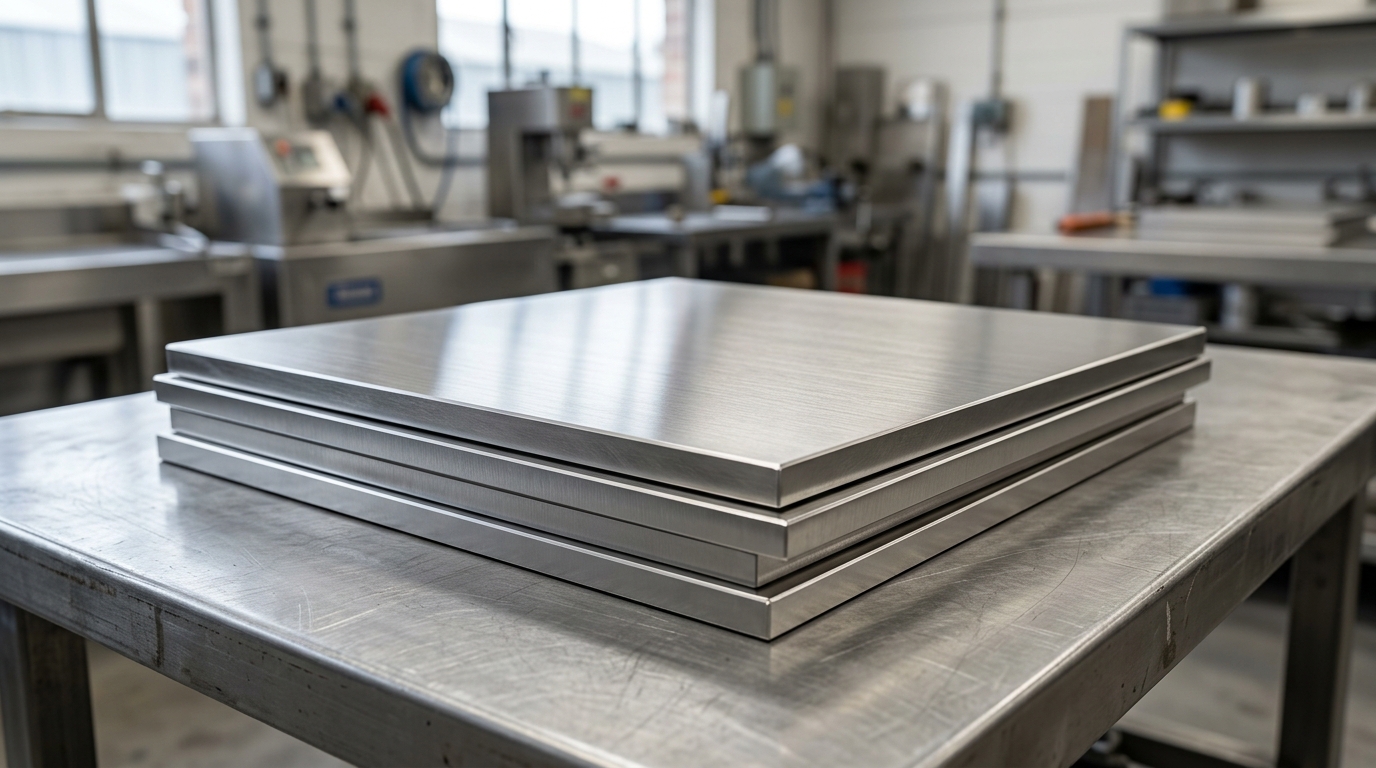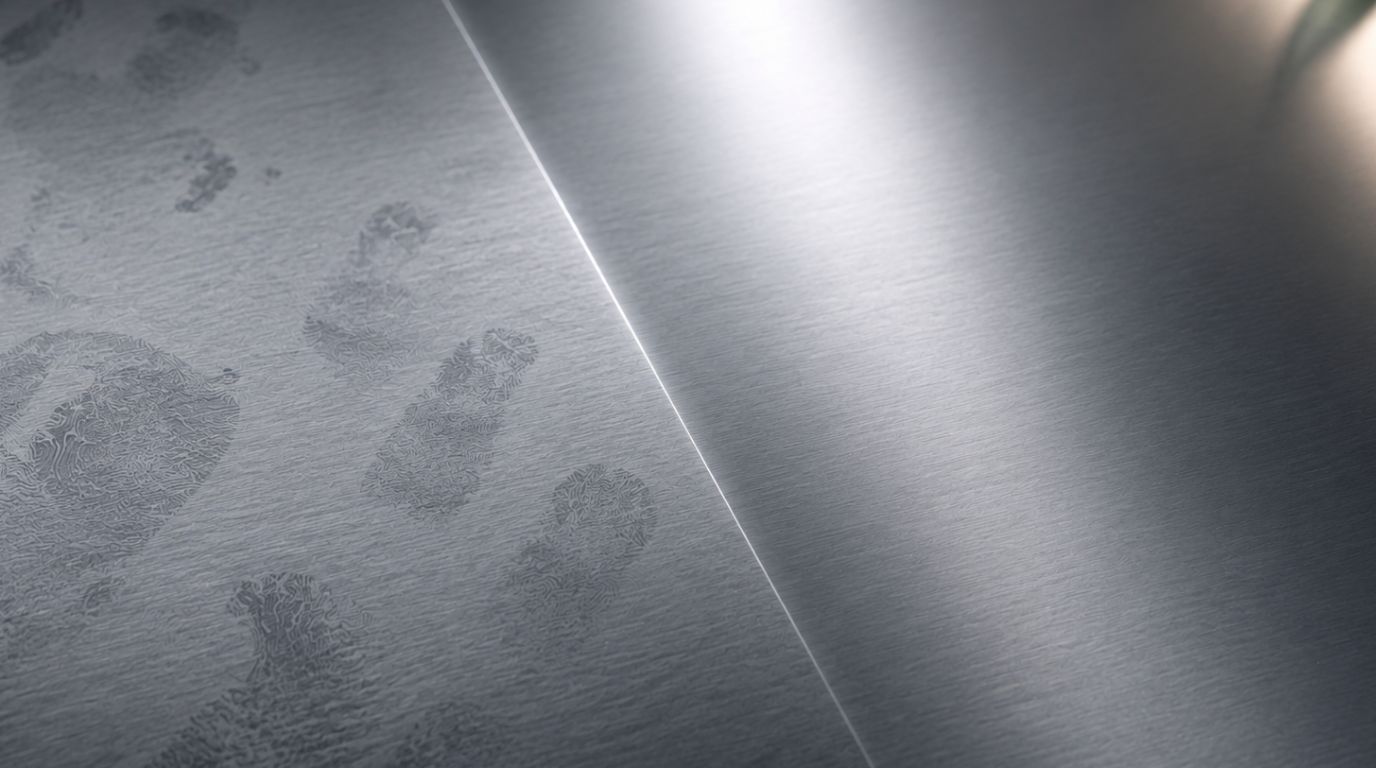
Frequently touched metal surfaces naturally develop visible fingerprints, which affect their appearance and increase the need for regular cleaning. Anti-fingerprint coating offers a surface-treatment solution to this problem: a thin treatment applied over metal that changes how oils and moisture interact with each other. Manufacturers use it on stainless steel panels, kitchen appliances, architectural cladding and commercial equipment handled constantly but wiped down only a few times a shift.
What Is Anti-Fingerprint Coating for Metal Surfaces?
Anti-fingerprint coating for metal forms a thin layer, ranging from a few nanometers to a few microns, that bonds to the metal surface and reduces how strongly skin oils and moisture are attached to it. Most formulations rely on hydrophobic or oleophobic chemistry. Lower surface energy suggests a smaller contact area between skin oils and the metal below, so fingerprints smear less and wipe off faster. The coating reduces how visible and persistent those marks become.
How Does Anti-Fingerprint Coating Work?
Surface energy determines how liquids and oils spread on contact. High-energy surfaces, like untreated stainless steel, let oils spread thin and cling, which is why fingerprints appear on bare metal. A fingerprint-resistant coating lowers that surface energy so oils bead into smaller droplets that sit on top of the metal. The difference lies in how much residue stays behind and how easily a cloth removes it, not in whether contact happens at all.
Key Benefits of Anti-Fingerprint Coating
Reduces Visible Fingerprints and Smudges
Our innovative surface coating actively repels fingerprints, oily smudges, and daily grime. You can easily maintain beautifully pristine spaces with significantly less wiping
Easier Surface Maintenance
This innovative finish reduces daily upkeep. It actively repels dirt and spills, which makes routine wiping and cleaning simpler and faster.
Improves Aesthetic Appearance
This specialized finishing treatment enhances overall visual appeal. It is particularly useful for elevating decorative stainless steel and polishing other highly visible metal surfaces.
Can Support Surface Protection
Depending on formulation, an oleophobic coating for metal surface can add resistance to moisture, light oils and common airborne residues, extending the time between deep cleans.
Suitable for High-Touch Applications
Appliance panels, elevator interiors, door hardware, furniture and architectural metalwork all experience repeated contact daily, which makes them common applicants for coating.
Limitations of Anti-Fingerprint Coating
Coating performance varies by formulation, application method and the metal substrate underneath. Abrasive pads, harsh solvents and aggressive scrubbing wear the coating down faster than normal handling. Performance also drops gradually with age. UV exposure, temperature swings and repeated chemical contact shorten service life. Inadequate surface preparation before application weakens the bond and undercuts results, despite coating quality.
Where Are Anti-Fingerprint Coatings Used?
- Stainless steel appliances
- Elevator doors and panels
- Architectural metal panels
- Kitchen and commercial equipment
- Metal furniture
- Door handles and high-touch hardware
- Decorative interior metal components
Is Anti-Fingerprint Coating Worth Using on Metal Surfaces?
In situations where appearance, frequent handling and low-maintenance cleaning matter and coating can reduce visible wear on a surface’s finish over time. In environments with harsh chemicals, abrasive cleaning routines or extreme temperature swings, performance drops faster and the benefit shrinks. The right Anti-Fingerprint Coating should be selected according to the metal type, the environment and expected handling frequency.
Conclusion
Anti-fingerprint coatings determine how oils and moisture sit on metal, not whether contact happens. For high-touch stainless steel and architectural surfaces, that difference means less visible smudging and simpler routine cleaning. Selecting the right formulation for the substrate and environment determines how long those benefits hold up. Check the coating specification against your surface material and cleaning routine before application.