The global landscape of modern architecture is changing rapidly. We see a massive shift where the visual appeal of a building is now just as important as its strength. This change has led to a significant increase in the use of Decorative Metal Fabrication across various sectors. Architects and developers are moving away from simple, flat surfaces. They now prefer textured, colorful, and patterned designs that stand out. We see how infrastructure and premium interiors across the world have started to rely on metal not just for support, but for beauty. The demand is rising in every major city. It is driven by a need for materials that look expensive but can also withstand the elements. We provide the stainless steel finishes that meet these high standards.
What Is Decorative Metal Fabrication?
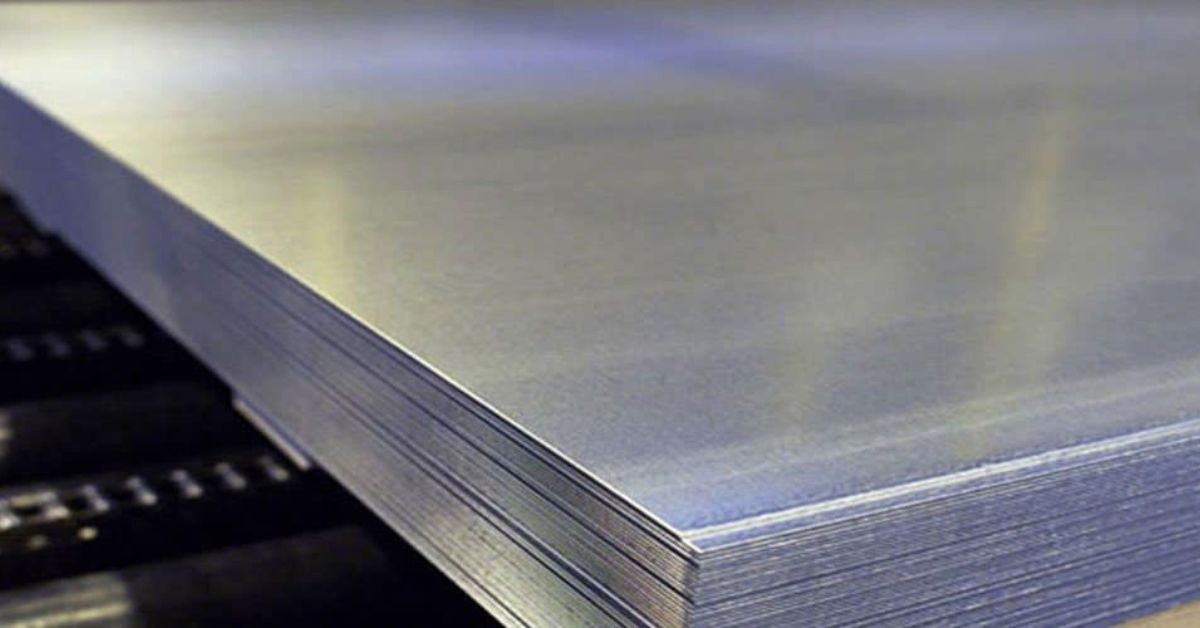
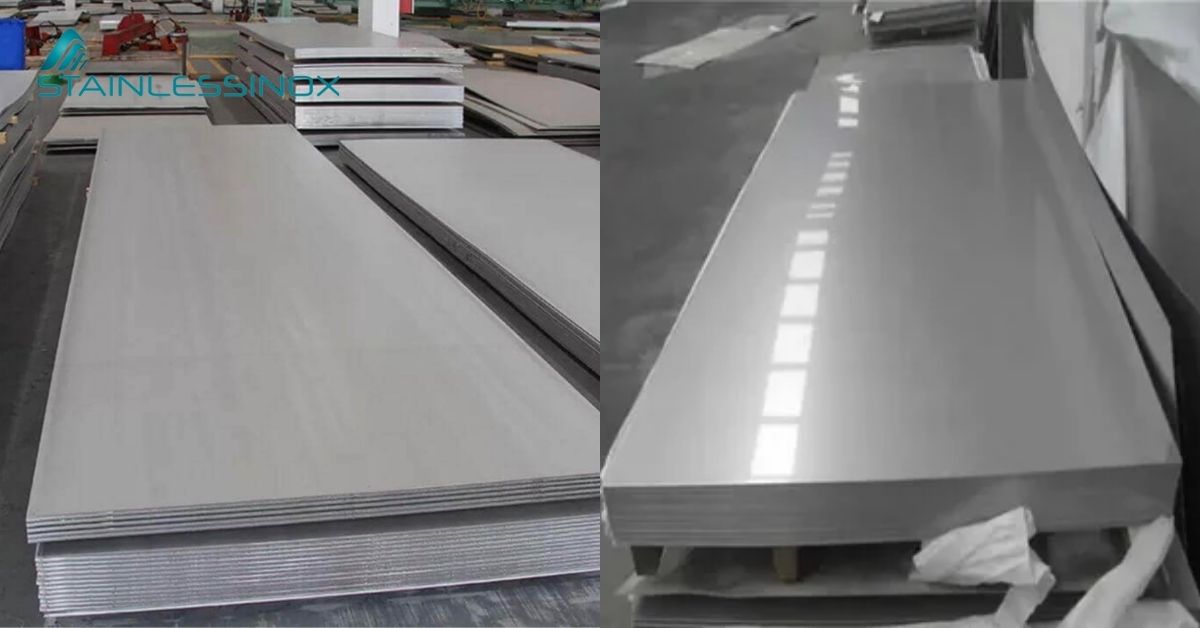
Decorative metal fabrication is the process of creating metal parts that are meant to be seen. It focuses on the aesthetic finish of the metal. Structural fabrication is about the framework of a building, like beams and columns that hold things up. Decorative fabrication is different because it involves processes like etching, embossing, laser cutting, and PVD coating. We work with materials like stainless steel, aluminum, and brass to create these effects. At our facilities, we take flat products like coils and sheets and turn them into something visual. This might involve polishing a surface until it looks like a mirror or adding a hairline texture. The goal is to make the metal a part of the design language of a space. We use advanced machinery to ensure every cut and fold is precise. This process allows for custom designs that were not possible twenty years ago.
Key Factors Driving Global Demand
Urbanization is one of the biggest reasons why we see more demand for these services. As populations concentrate in cities, developers are building more high-rise apartments and large shopping centers that must stand out visually. Growth in luxury construction adds to this, with premium hotels and upscale homes seeking distinctive interiors using metal for wall cladding, lift cabins, and staircases. Sustainability rivals design in importance. Metal’s high recyclability makes it popular with architects. Advanced machines create accurate 4‑metre parts, cutting waste and costs. Our tech investments support strong, modern buildings, and stainless steel is ideal because it resists rust, fading, and harsh weather for many years.
Major Global Markets Contributing to Growth
Demand for decorative metal fabrication varies by region. The Middle East is currently a major centre, and from our base in JAFZA North, Dubai, we witness extensive use of decorative stainless steel in landmark projects. North America remains strong, prioritizing the modernization of older commercial properties with updated metal facades. Europe maintains consistent demand, driven by premium interior design standards and luxury retail stores. Asia-Pacific is expanding the fastest, with China, India, and Vietnam rapidly building infrastructure that requires decorative metal in transit hubs and office complexes. With GCC warehousing, we serve clients across MENA, Europe, and Asia, where quality metal is universally valued.
Future Trends in Decorative Metal Fabrication
We expect to see more “smart” metal surfaces in the future. This means metal that can change appearance or has integrated lighting. Another trend is the use of 3D textures. Instead of a flat sheet, architects want metal that has depth and shadow. This is done through advanced pressing and folding techniques.
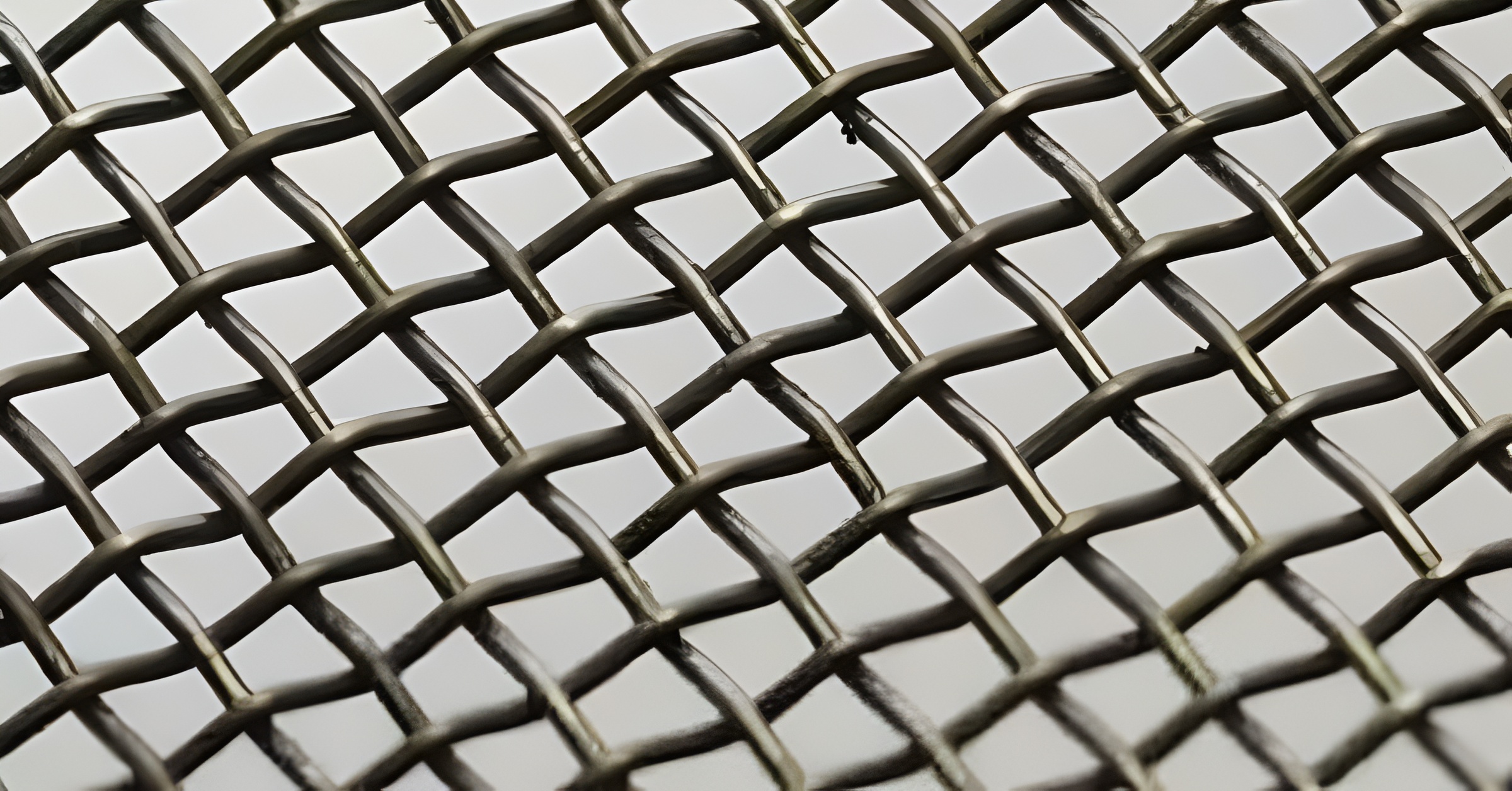
Environmentally friendly finishes are also becoming the standard. We see growing interest in PVD (Physical Vapour Deposition) coating because it avoids harmful chemicals. This method gives metal bright colors like gold, rose gold, and black. Digital integration in the design phase is also increasing. We now use complex software to show clients exactly how a perforated panel will look before we even start the machines. This precision is becoming a basic requirement. Along with these tech changes, we see a move toward mixing different types of metal finishes in a single space.
Applications Across Industries
- Architectural Facades: Large metal panels are used to cover the exterior of buildings to give them a modern, sleek look.
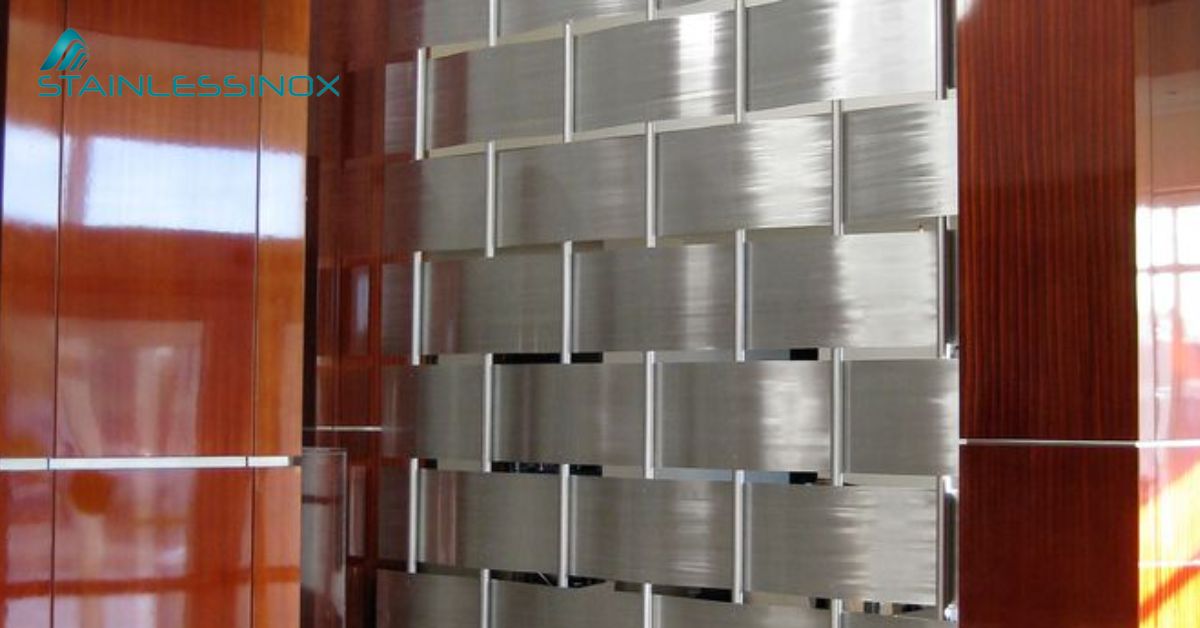
- Interior Design: We see metal being used for wall cladding, room dividers, and decorative ceilings in offices and homes.
- Hospitality: Hotels rely on polished metal in lobbies, bar counters, and lift doors to give guests a luxurious experience.
- Retail: High-end shops use custom metal shelving and storefronts to attract customers and reflect their brand identity.
- Residential Projects: Homeowners are choosing stainless steel for kitchen splash backs, railings, and outdoor furniture.
- Public Infrastructure: Airports and train stations use decorative metal for signage, seating, and wall protection.
Benefits for Architects and Developers
Design flexibility is a major benefit. Metal can be cut into almost any shape. This allows architects to be creative without worrying about the material breaking. Durability is another huge plus. Unlike wood or plastic, metal does not crack or warp easily. It handles high traffic very well.
Maintenance is low for decorative stainless steel. A simple cleaning keeps it looking new for years. This saves money for building owners in the long run. Brand enhancement is also important. A building with a striking metal facade looks more professional and high-value. We provide various finishes like angles, bars, and channels that help developers achieve this. The strength of the material, combined with its beauty, makes it a logical choice for any serious project.
Industry Challenges and Opportunities
One of the main challenges is the cost of raw materials. The price of nickel and chrome, which are used in stainless steel, can go up and down very quickly. This makes it hard to give long-term quotes. We manage this by keeping a large stock of flat products in our Dubai warehouses. Another challenge is the need for highly skilled workers. Operating 4-metre fabrication machines requires training and experience.
However, these challenges create opportunities. Companies that can provide consistent quality and fast delivery will win more contracts. There is a huge opportunity in the renovation market. Many old buildings need a facelift, and decorative metal is the easiest way to do that. We also see opportunities in the growing demand for “green” buildings. Being a leading stockholder and exporter allows us to fill these gaps in the market.
Conclusion
The outlook for the global market is very positive. As cities continue to expand and the desire for luxury grows, the reliance on specialized metalwork will only increase. We have seen our own portfolio grow from basic sheets and plates to complex decorative finishes. This evolution is a direct result of what the market asks for. Our leadership and workforce are dedicated to meeting these new demands.
The mix of technology and craftsmanship is what makes this industry exciting. Decorative Metal Fabrication is no longer a niche service. It is a core part of the construction world. We will continue to invest in the best equipment to serve our clients in the GCC and beyond. The world is looking for materials that offer both performance and style. Metal provides exactly that. Whether it is a massive facade in Dubai or a retail interior in Europe, the demand for high-quality metal finishes is here to stay.